Mold Experts In USA
Non-Toxic, Demolition Free Mold Removal Starts With the Right Approach
Our Name Says it all, Our results Prove it.
Our Services
Mold Experts
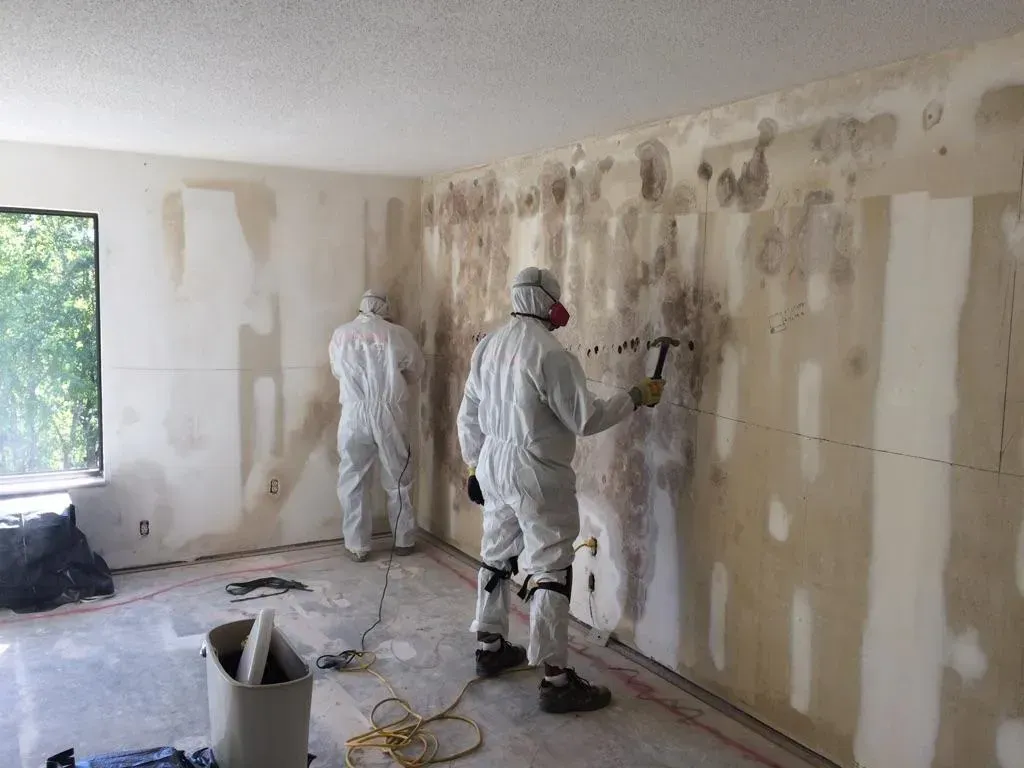
Concerned about mold in your living space? Explore a demolition-free approach that aims to preserve existing materials where appropriate.
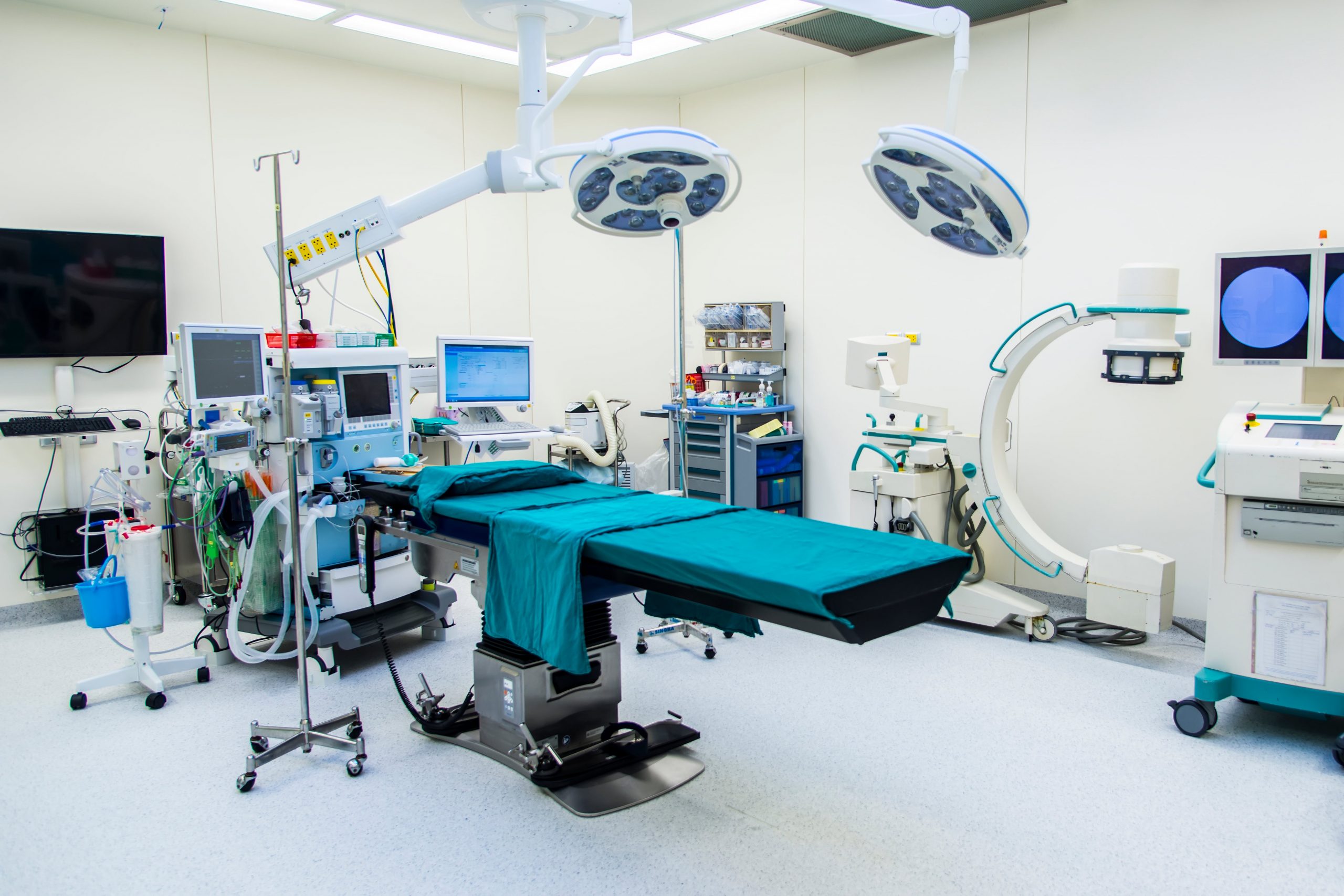
Discuss mold concerns in your healthcare property, including affected areas, access requirements, and coordination with your facility team.

Help your facilities team plan the next step for a mold concern, with attention to occupied spaces, access, and the school schedule.

Start with a conversation about the affected area, treatment requirements, and arrangements for children and staff during the work.

Discuss mold concerns in your restaurant and the treatment access, scheduling, and site requirements relevant to your business.
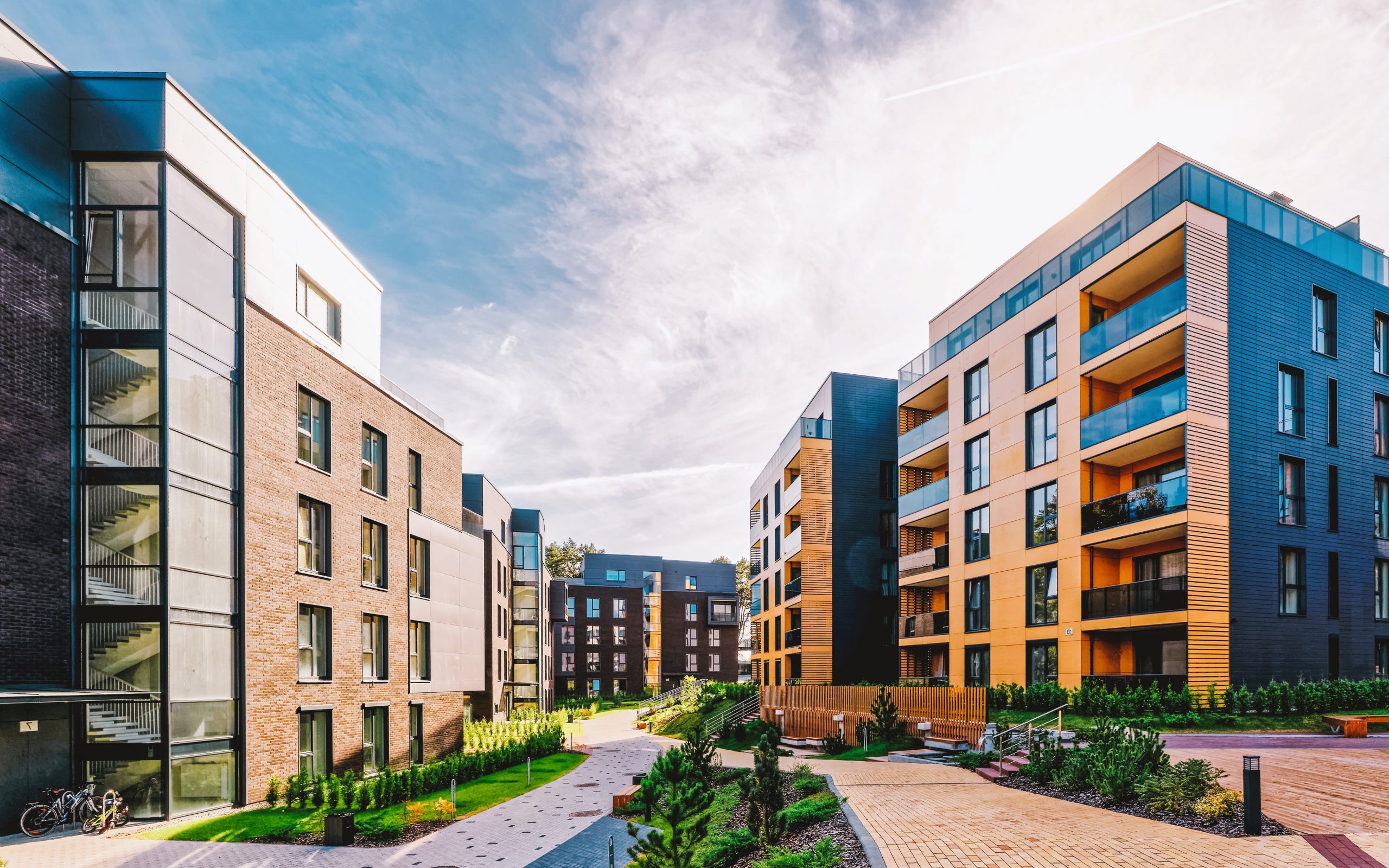
Mold concerns in a unit or shared area? Tell us about the property so we can discuss an approach with the owner or management team.

Explore mold removal options for guest rooms and shared spaces, with a plan that accounts for access and property operations.

Concerned about mold inside a vehicle? Contact us to discuss the affected interior materials and whether our approach is appropriate.

Discuss mold concerns in cabins and other enclosed areas, including the affected materials and any ongoing moisture issues.

Understand your options for mold removal in your home, including whether affected areas can be treated without demolition.
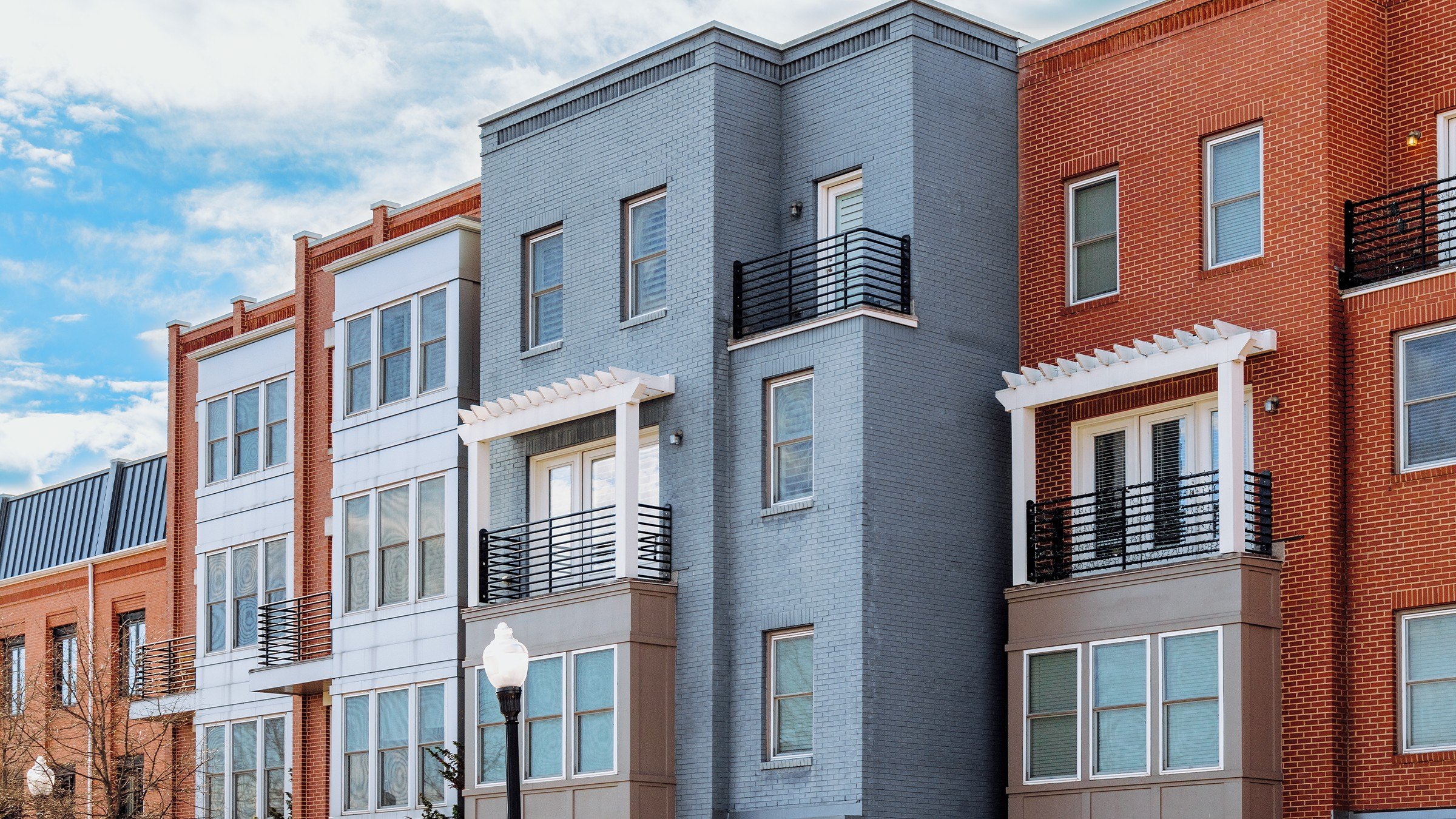
Explore options for mold concerns in your condominium, with attention to unit access and any association coordination required.

Discuss mold removal for your workplace, including affected areas, treatment access, and scheduling considerations for your team.
Your Home Matters. So Does How the Mold Is Removed.
Finding mold raises practical questions: Will walls need to come down? What happens to the rooms you use every day? What should you do about children and pets? Our approach starts with explaining your options.
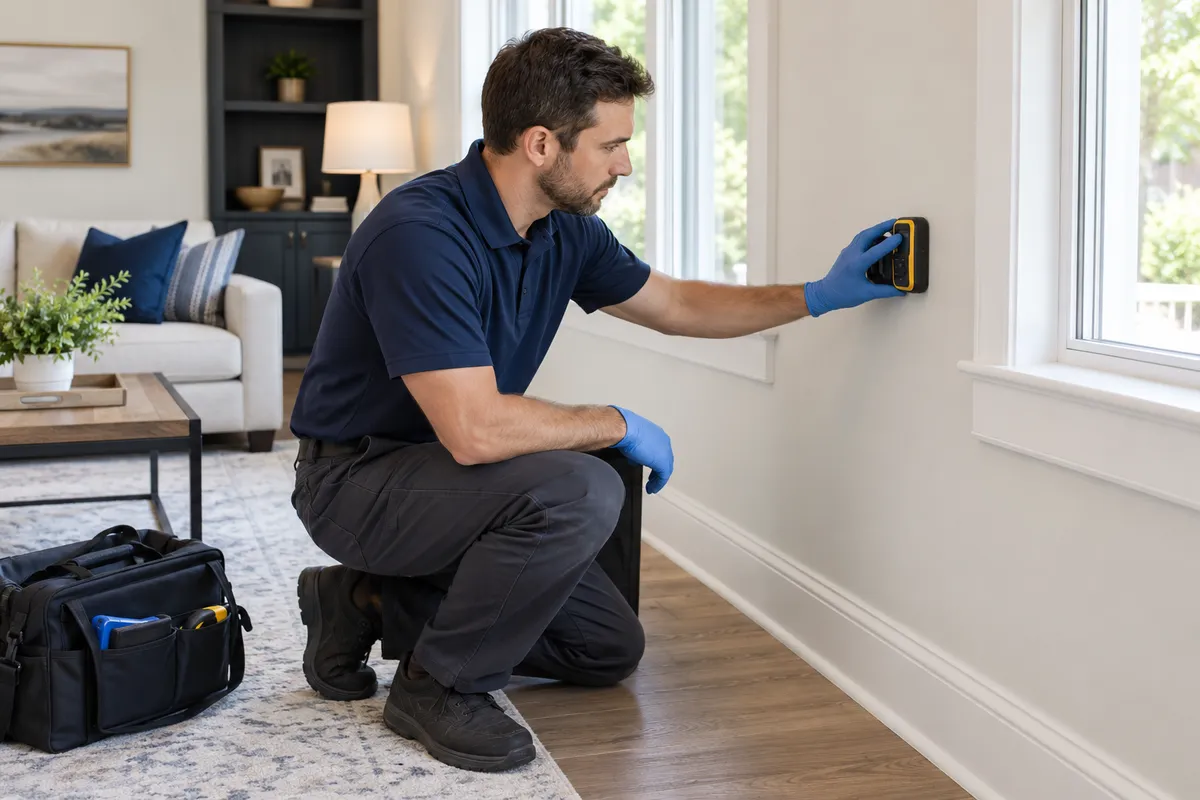
Our specialty is mold removal that preserves existing materials where conditions allow. Whether that approach is suitable depends on the affected materials and the extent of the problem.

Ask us about the treatment products, preparation requirements, and when people and pets can return to treated areas. These details belong in your plan from the beginning.
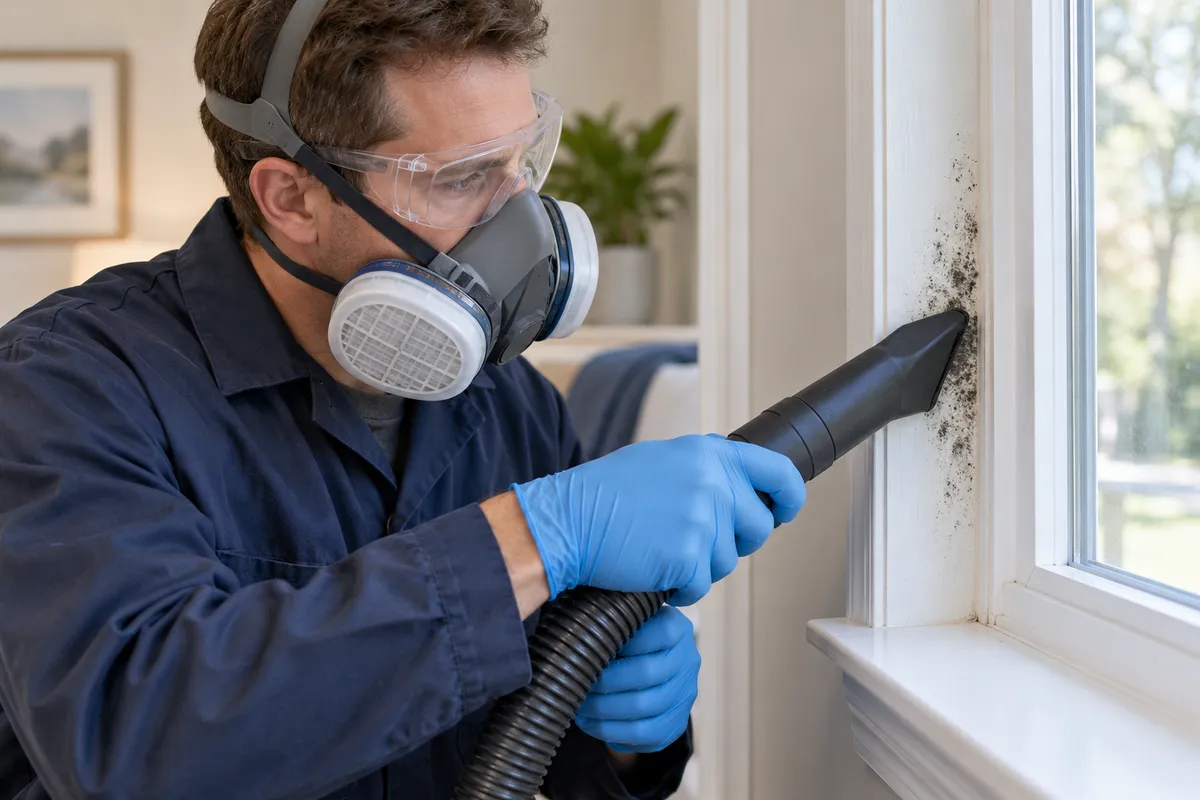
Our focus is on targeted mold removal that gets to the source of the problem. Our certified team works to eliminate existing mold growth and treat affected areas to prevent future recurrence.
The Solution
Handling Mold Problems
in 3 Easy Steps
1. Finding the Problem
We know it is more important to find what caused the problem then handling it.
2. Getting Rid of the Mold
Using the Smart Nano Technology we are able to get in every nook and cranny destroying visible mold, hidden mold and its Mycotoxins. Leaving your home feeling fresh and clean again
3. Guaranteeing the
Problem is Fixed
We don’t consider the job complete until a third party mold inspector says so.

Free Assessment
We will schedule a free assessment with one of our mold experts, who will go through your home and document their ndings. Once they are done with the assessment, they will put a plan together on what needs to be done to have the mold situation completely handled in the property, and prevent it from coming back in the future

Family Safe Solutions
Mold Experts USA guarantees your home is mold free by taking a quality assurance air sample inside your home at the end of the treatment and sending it to a lab for analysis. e results are then recived from the lab and are analyzed by our Quality Assurance Team. If they are satis ed with the results a 3rd party mold inspector is sent to do the nal check. We don’t consider the job complete until the mold inspector passes it.

Treatment
Using our Smart Nano Puri cation demolition-free technology, we will eliminate mold, bacteria, and viruses from your entire home. Our unique process is affordable, quick, e fficient, and guaranteed.

Eco–Friendly
We believe in using Eco-friendly technology to improve the health of families and workers through our non-toxic elimination of mold, viruses and bacteria. Our solution is EPA & FDA Certi ed as non toxic.

Many Happy Families
Mold Experts USA has been o ering remediation and sterilization services for over 9 years. ousands of homes have been successfully treated with excellent results.

Conveniently Based
Our corporate office is based in the Tampa Bay Area and servicing most of Florida.
ABOUT US
A Different Approach to Mold Removal

Your first question may be, “Can this be treated without tearing my property apart?”
At Mold Experts USA, demolition-free mold removal is our specialty. We focus on helping property owners understand whether that approach fits their situation and what the work would involve.
Your questions about the treatment, your family, your pets, and your property deserve specific answers. Speak with our team about what you've noticed and what matters most to you.
Our Name Says it all, Our results Prove it.
The Process
Our Simple 3 Step Process

Tell Us What's Happening
Contact us about the mold you've noticed, the affected space, and any history of leaks or water damage. Share your questions about treatment, your family, or your pets.

Discuss Your Property and Estimate
We'll discuss the next step for evaluating your property, whether our approach may be suitable, and what information is needed for an estimate.

Understand the Work Before It Begins
After you approve our estimate, we'll schedule a date to complete the job. Our team will work hard to exceed your expectations!
photo gallery
See Our Approach in Practice
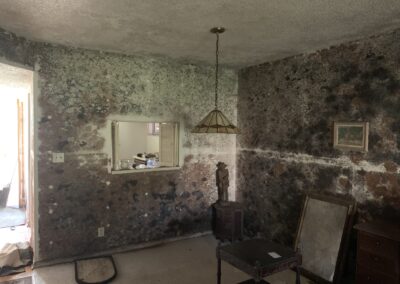
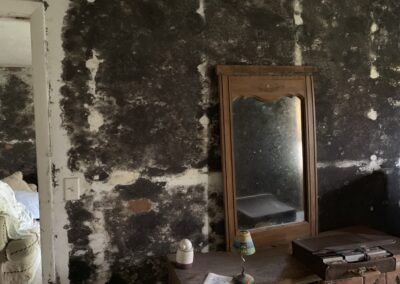
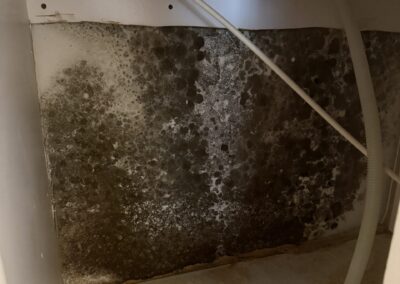
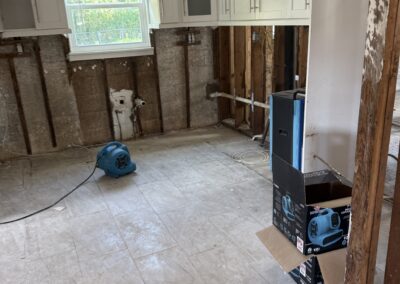
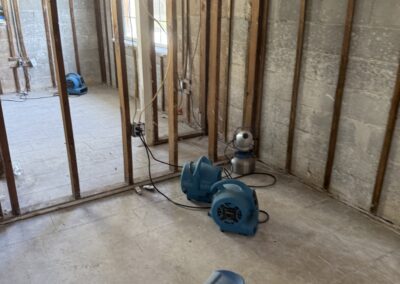
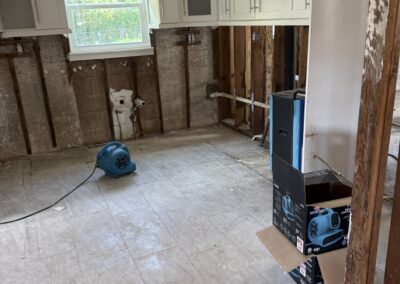
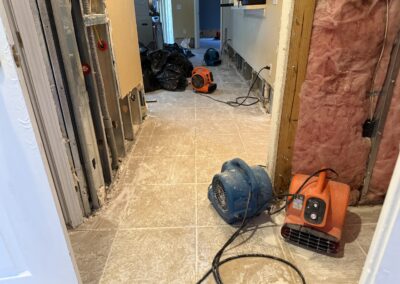
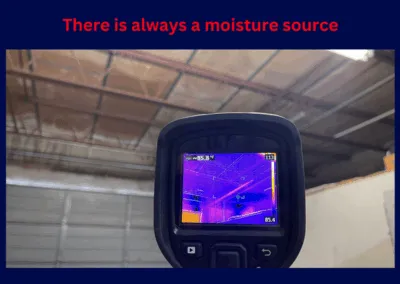
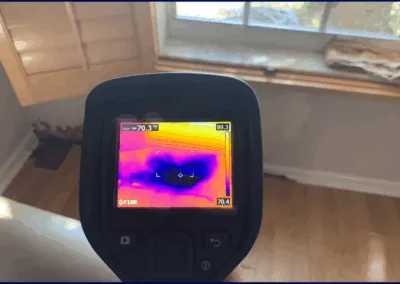
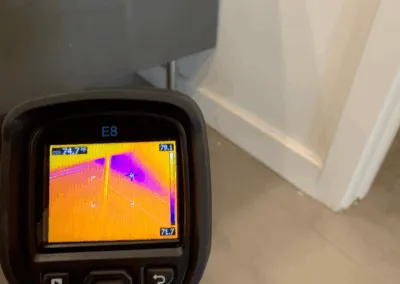
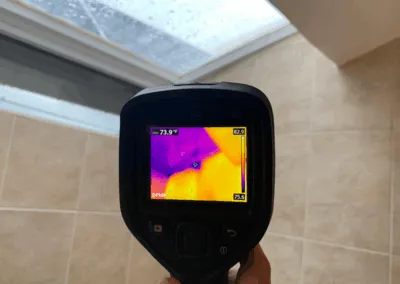
Explore examples of our mold removal work, with details about the affected space, the treatment used, and the materials preserved.
TESTIMONIALS
What It's Like to Work With Mold Experts USA
Read what customers share about their experience with our team.
Your Mold Removal Questions, Answered
Understand our approach and the questions to discuss before treatment begins.
1. What makes Mold Experts USA different?
Our specialty is demolition-free mold removal for suitable properties. We focus on discussing whether existing materials can be preserved and what treatment would mean for your property, your family, and your pets.
2. What does demolition-free mold removal mean?
It means treating suitable affected areas without removing existing building materials as part of that treatment. Suitability depends on the materials and their condition. Some mold-damaged materials may still require removal or replacement.
3. Is your treatment safe for children and pets?
The answer depends on the specific treatment and how it is applied. Ask our team for the product information, preparation instructions, and any restrictions on entering treated areas. Do not assume children or pets can remain nearby during treatment.
4. What should I know about non-toxic treatment?
Ask which products will be used, how they are applied, and what precautions their instructions require. Product information and the treatment plan should explain the conditions of use, including any ventilation or re-entry requirements.
5. Can every mold problem be treated without demolition?
No. The extent of contamination, the affected materials, and any structural or water damage determine what is appropriate. Contact us to discuss whether your property is a candidate for our approach.
6. Do you provide general cleaning services?
No. Mold Experts USA specializes in mold removal. Contact us about mold concerns in your home, business, or another property type we serve.
The Insights
Everything You Need to Know About Mold
No blogs found
Request A Free Quote


BUSINESS
SERVICES
SERVICE AREAS
OPERATING HOURS
Sun: Closed
Mon: 9:00am - 5:00pm
Tue: 9:00am - 5:00pm
Wed: 9:00am - 5:00pm
Thu: 9:00am - 5:00pm
Fri: 9:00am - 5:00pm
Sat: 9:00am - 5:00pm
Mold Experts USA 2026