What Causes Mold in HVAC Units and How Do You Get Rid of It?
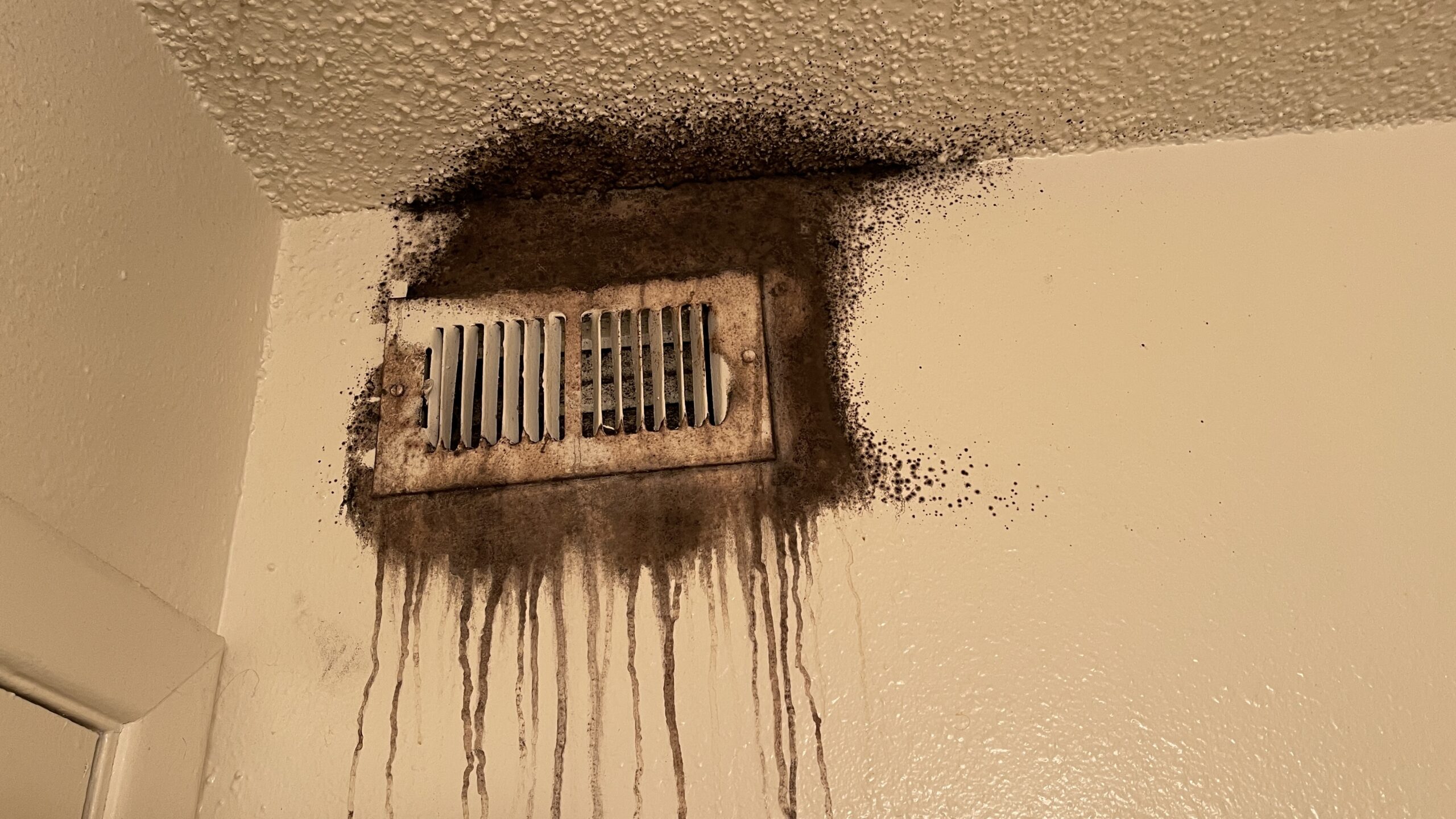
If you’re smelling something musty every time your AC turns on, or noticing dark spots around your vents, you’re probably asking one important question: what is causing mold in HVAC units, and how do I fix it for good?
This is one of the most common problems we see in homes across Clearwater, St. Pete, and Tampa. And the frustrating part for homeowners is that it often keeps coming back—no matter how much you clean.
Let’s break down what’s really happening, why it keeps returning, and what actually solves the problem.
Why Mold in HVAC Units Is So Common in Florida
Living in the Tampa Bay area means dealing with constant humidity. Your HVAC system is supposed to remove that moisture from the air, but under certain conditions, it can actually become the source of the problem.
Mold needs two things to grow: moisture and a surface. Your HVAC system provides both.
Inside the unit, you have cooling coils that naturally collect condensation. That’s normal. But when that moisture doesn’t drain or dry properly, it creates the perfect environment for mold to grow.
Now combine that with Florida humidity, and you’ve got a system that can easily harbor mold without you even realizing it.
How Mold Starts Inside Your HVAC System
Most homeowners think mold starts at the vents because that’s where they see it. In reality, that’s usually the last place it shows up.
Mold in HVAC units often begins deep inside the system, in areas like:
- The evaporator coil
- The drain pan
- The air handler
- Interior duct lining
Once mold starts growing in one of these areas, the system begins circulating spores throughout your home every time it runs.
That’s why the smell seems stronger when the AC is on.
Common Causes of Mold in HVAC Units
Constant Humidity and Temperature Differences: Your HVAC system works by cooling warm air, which naturally creates condensation. If there’s too much humidity in the home, that moisture builds up faster than the system can remove it.
Running the Fan Continuously: A lot of homeowners in Clearwater and Tampa leave their fan set to “ON” instead of “AUTO.” This keeps air moving even when it’s not being cooled. The problem is that it also keeps moisture circulating through the system instead of removing it.
Poor Drainage in the Unit: If the drain pan or drain line is clogged or not functioning properly, water sits inside the system. Standing water is one of the biggest causes of mold growth.
Dirty Coils and Filters: Dust and debris inside the unit give mold something to grow on. When combined with moisture, it creates the perfect breeding ground.
Poor Duct Insulation or Leaks: If your ductwork isn’t properly sealed or insulated, warm, humid air can enter the system. This creates condensation inside the ducts, which leads to hidden mold growth.
Helping Customers: Clearwater Homeowner
We recently worked on a home in Clearwater where the homeowner kept wiping down black spots around their vents. They had even repainted the ceiling twice.
The problem kept coming back.
When we inspected the system, we found mold inside the air handler and along the evaporator coil. Every time the AC turned on, it was spreading spores throughout the house.
Cleaning the vents didn’t solve anything because the source was never addressed.
Once we removed the contamination from inside the HVAC unit and corrected the moisture issue, the problem stopped completely.
Signs You May Have Mold in HVAC Units
Most homeowners don’t realize what they’re dealing with until the issue gets worse. Here are some early warning signs:
- A musty smell when the AC runs
- Visible mold around vents or registers
- Increased allergy symptoms indoors
- Uneven humidity in the home
- Mold that keeps coming back after cleaning
If you’re experiencing more than one of these, there’s a strong chance the issue is inside your HVAC system.
See what the EPA has to say about mold in HAVC systems.
Why Cleaning Vents Alone Doesn’t Work
This is one of the biggest misconceptions we see.
Homeowners often try:
- Wiping down vents
- Using bleach or cleaners
- Repainting affected areas
These might make the problem look better temporarily, but they don’t solve the root issue.
If the mold is inside the HVAC unit, it will continue spreading every time the system runs. That’s why it keeps coming back.
How to Properly Address Mold in HVAC Units
Step 1: Identify the Source
The first step is determining where the mold is actually growing. This often requires inspecting inside the air handler and duct system.
Step 2: Remove the Contamination
Professional remediation involves cleaning and removing mold from all affected HVAC components—not just visible areas.
Step 3: Fix the Moisture Problem
If you don’t fix the moisture issue, the mold will return. This could involve:
- Adjusting system settings
- Clearing drain lines
- Improving airflow
- Sealing ductwork
Step 4: Prevent Future Growth
Once everything is clean and dry, preventative steps help ensure the problem doesn’t come back.
Check out what the pros say about mold in HVAC systems.
Helping Customers: Tampa Property
In a Tampa home, a family complained of a persistent “dirty sock” smell. They had already replaced filters multiple times.The issue turned out to be mold growing on the evaporator coil.
Every time the system cooled, condensation formed and fed the mold. Once the system shut off, the moisture stayed behind.
We cleaned the coil, addressed the drainage issue, and adjusted how the system operated. The smell disappeared and didn’t return.
Why This Problem Shouldn’t Be Ignored
Mold in HVAC units doesn’t just stay in one place. Your system is designed to move air throughout your home, which means it can also move mold spores.
Over time, this can:
- Spread contamination to multiple rooms
- Affect indoor air quality
- Cause ongoing property damage
- The longer it goes untreated, the more widespread the issue becomes.
How to Reduce Your Risk
Homeowners in St. Pete, Clearwater, and Tampa can reduce the risk of mold in HVAC units by:
- Keeping the fan set to AUTO instead of ON
- Changing air filters regularly
- Scheduling routine HVAC maintenance
- Ensuring proper drainage from the unit
- Monitoring indoor humidity levels
These small steps can make a big difference in preventing mold growth.
Final Thought: What Should You Do About Mold in HVAC Units?
If you suspect mold in HVAC units, the most important thing you can do is address the source—not just the symptoms.
Cleaning vents or masking odors won’t solve the problem if mold is growing inside the system. A proper inspection and remediation process is the only way to fully eliminate it and prevent it from coming back.
For homeowners in Clearwater, St. Pete, and Tampa, this is a very common issue—but it’s also very fixable when handled correctly.