Mold Problem Despite Clear Air Test?

Mold Problem Despite Clear Air Test?

Mold Problem Despite Clear Air Test? Here's What You Need to Know

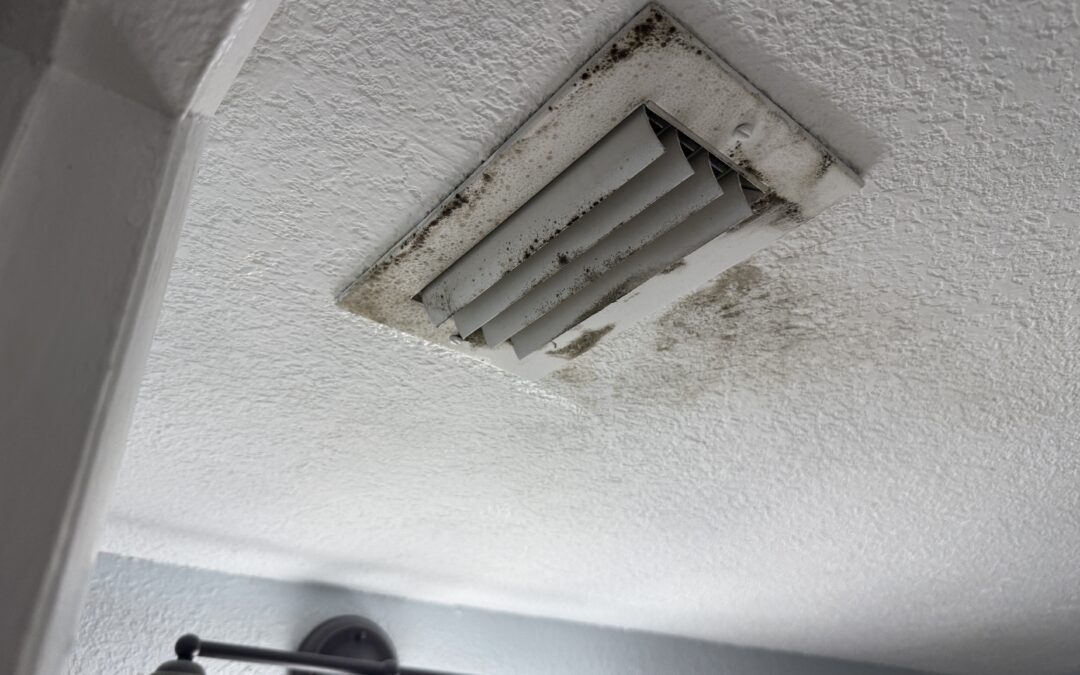
So, you got an air quality test and the results came back clean—no elevated mold levels. That should be great news, right? But something still feels off. Maybe there's a musty smell. Maybe your allergies are flaring up. Maybe you’ve spotted some strange discoloration on the walls. If you’re wondering, “Could I still have a mold problem despite a clear air test?”—the answer is yes. And here’s why.

The Invisible Enemy: Mold Hides Well

Air tests are useful, but they aren’t foolproof. Mold spores float in the air, but not all the time. Sometimes, they’re settled on surfaces, hiding behind walls, under carpets, or inside HVAC systems. If they’re not airborne during the test, they might not show up at all—even if there’s a serious infestation brewing behind the scenes. For more info on how to find our invisible foe visit our Finding the Mold Problem page.

Moisture Is the Real Clue

If you’ve had any kind of water leak, plumbing issue, or excess humidity in your home, you’re at risk. Mold only needs two things to grow: moisture and time. Even a small drip behind a wall can feed mold colonies that go undetected for months. And since mold can grow on the backside of drywall or beneath flooring, it may never make it into the air until the damage is extensive.

What Should You Do if you feel like you have a Mold Problem Despite a Clear Air Test?

If you’re asking yourself, “Mold problem despite clear air test?”—don’t ignore your gut. Mold can affect your health, trigger allergies, and damage your property. Your next step should be a professional mold inspection that goes beyond air sampling. Infrared cameras, moisture meters, and surface testing can uncover what air tests might miss.

Bottom line: Trust your instincts. If something feels off, it probably is. Don’t wait—get it checked out before a hidden mold issue turns into a much bigger (and more expensive) problem.
Can Your AC Filter Reduce Mold Spores?

Can Your AC Filter Reduce Mold Spores?

Can Your AC Filter Reduce Mold Spores?

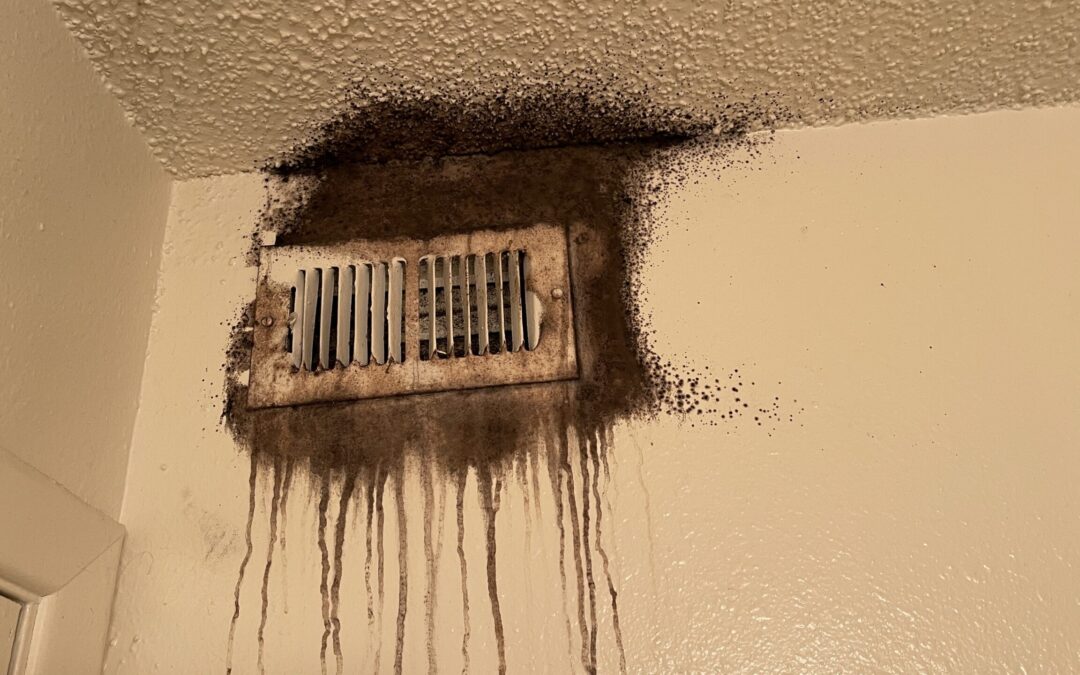
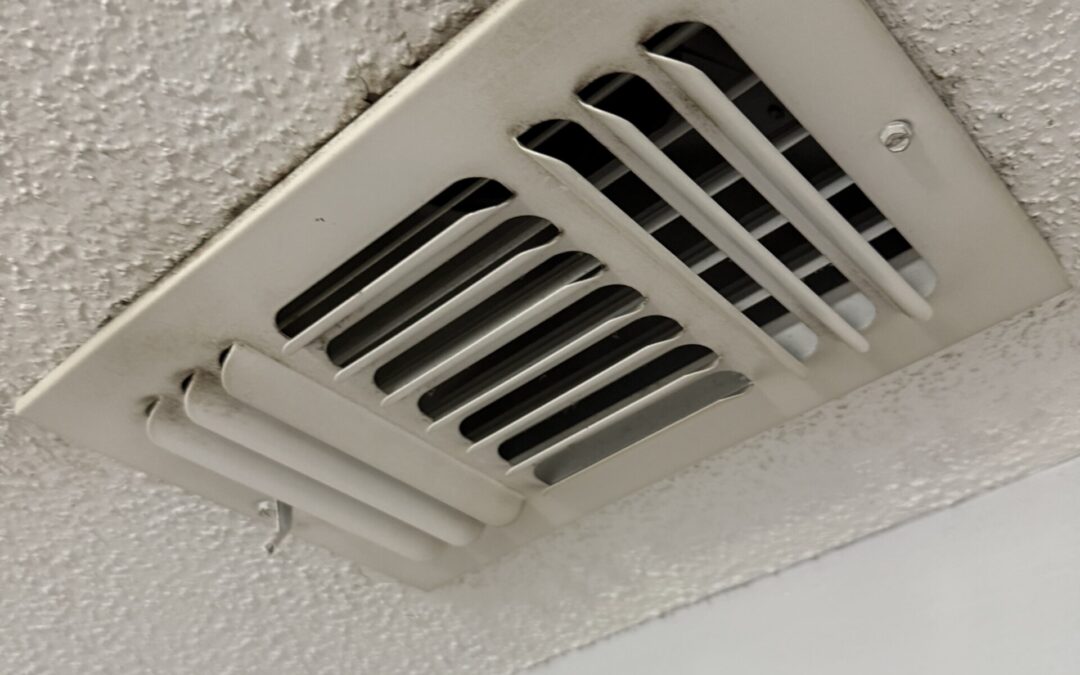
Mold is a common problem in many homes, and it can be both unsightly and harmful to your health. Mold spores can cause a range of health issues, from allergies to respiratory problems, so it’s important to take steps to reduce the presence of mold in your home. One way to do this is by using a MERV filter in your HVAC system. In this article, we’ll discuss how your AC filter can help reduce mold spores and what MERV filter ratings are best for your home.

What is a MERV filter?

MERV stands for Minimum Efficiency Reporting Value, a rating system that measures how well an air filter can remove particles from the air. The MERV rating system ranges from 1 to 20, with higher numbers indicating a higher level of filtration efficiency.

How do MERV filters reduce Mold Spores?

Mold spores are a common airborne allergen that can be present in your home’s air. A MERV filter with a higher rating can capture smaller particles, including mold spores, and prevent them from circulating in your home’s air. A MERV filter with a rating of 8 or higher is recommended for reducing the presence of mold spores in your home.

It’s important to remember that while a higher MERV rating can be effective at capturing mold spores, it’s not a complete solution. Proper ventilation and humidity control are also crucial in reducing mold growth inside your home.

Choosing the right MERV filter

When selecting a MERV filter for your HVAC system, consider your household’s specific needs. If someone in your family suffers from allergies or respiratory issues, a higher MERV rating may be necessary to ensure cleaner air. However, filters with ratings that are too high can strain your HVAC system and reduce its efficiency. Consulting a professional HVAC technician can help you find the best MERV rating for your home and system.

Conclusion

Mold can be a serious problem in your home, but using the right MERV filter in your HVAC system can help reduce mold spores in the air. When deciding on a filter, consider your household’s needs and consult with a professional to choose the best option. Remember, your AC filter is only one part of a complete strategy to reduce mold—proper ventilation and humidity control are equally important. For more info on HVAC mold issues visit our Blog page.

How do you choose the correct MERV filter rating?

How do you choose the correct MERV filter rating?

How do you choose the correct MERV filter rating?

If you’re looking for ways to improve the air quality in your home or workplace, you may have heard of MERV filters. MERV stands for Minimum Efficiency Reporting Value, which is a rating system that measures the effectiveness of air filters. The MERV filter rating system ranges from 1 to 20, with higher numbers indicating a higher level of filtration efficiency. In this article, we’ll break down the different MERV filter numbers and what each number filters out with micron sizes.

MERV 1-4

Filters in the MERV 1-4 range are the lowest-rated filters and are generally used in residential settings. They are able to filter out larger particles such as dust mites, pollen, and pet dander, but they are not effective at capturing smaller particles. MERV 1-4 filters have a particle capture range of 10 microns or larger.

MERV 5-8

Filters in the MERV 5-8 range are able to capture smaller particles than MERV 1-4 filters, making them more effective at improving air quality. They are able to capture particles such as mold spores, hair spray, and cement dust. MERV 5-8 filters have a particle capture range of 3 to 10 microns.

MERV 9-12

Filters in the MERV 9-12 range are able to capture even smaller particles, including lead dust, humidifier dust, and Legionella bacteria. They are often used in commercial settings such as hospitals and laboratories. MERV 9-12 filters have a particle capture range of 1 to 3 microns.

MERV 13-16

Filters in the MERV 13-16 range are the highest-rated filters and are typically used in commercial and industrial settings. They are able to capture particles as small as bacteria and tobacco smoke, making them highly effective at improving indoor air quality. MERV 13-16 filters have a particle capture range of 0.3 to 1 micron.

It’s important to note that while a higher MERV filter rating can be effective at capturing smaller particles, it’s not always necessary or practical. Filters with higher MERV ratings can put more strain on your HAVC system. For more information about HAVC systems visit our Blog page, and for more information on mold Visit EPA.Gov.