How do you set up proper containment?

How do you set up proper containment?

Proper containment during mold remediation

Proper containment during mold remediation is one of the most important—and often overlooked—steps in stopping mold in its tracks. Without it, mold spores can easily spread to clean areas of your home, turning a small issue into a full-blown infestation.

So what does proper containment really mean? It’s more than just taping up some plastic. It’s a carefully planned process designed to isolate the moldy area, protect the rest of your property, and keep everyone safe. Let’s break it down:

Step one: Identify the moldy zone.

Before setting anything up, you need to know exactly where the mold is and how far it’s spread. This helps you determine how large the containment zone should be.

Step two: Seal it off.

Use thick 6-mil polyethylene sheeting and duct tape to seal the area from floor to ceiling. This creates a physical barrier between the contaminated and clean spaces. For extra protection, the area should be kept under negative pressure using a HEPA-filtered fan to make sure no spores sneak out.

Step three: Create a secure entryway.

Use a double-layered plastic flap to make a small, controlled entrance for workers and equipment. It should be tight enough to maintain negative pressure but functional enough for movement.

Step four: Suit up.

Anyone entering the containment zone should wear full PPE—gloves, protective clothing, and at minimum an N95 respirator.

Step five: Filter the air.

Place HEPA air filtration devices inside the containment area to continuously clean the air and trap floating spores.

Step six: Set up a DECON zone.

Right outside the containment, create a space where workers can safely remove PPE and clean tools before exiting.

Once everything is in place, the actual mold removal begins. After remediation, clearance testing ensures the job was successful and your home is safe again.

Bottom line? Proper containment during mold remediation isn’t optional—it’s essential. Done right, it keeps mold from spreading, protects your home, and ensures a thorough and effective cleanup. For information on our Process of mold remediation that does not require containment visit our Handling Mold Problems page.
What are Mold Toxins or Mycotoxins?

What are Mold Toxins or Mycotoxins?

What Are Mycotoxins and Why Are They Dangerous?

If you've ever asked yourself, "What are mycotoxins and why are they dangerous?"—you're asking the right question. Mycotoxins are toxic compounds produced by certain molds and fungi. These harmful substances can grow on crops, food, and even indoor surfaces like walls, carpets, or HVAC systems when moisture is present. While you can’t see or smell them, their impact on health can be serious and far-reaching.

They Target Your Kidneys

One of the most common effects of mycotoxin exposure is kidney toxicity. Known as nephrotoxicity, this condition occurs when toxins damage the kidneys’ delicate structures, interfering with their ability to filter and remove waste from the body. Over time, this can lead to kidney dysfunction or chronic disease.

They Suppress Your Immune System

Mycotoxins are also immune suppressors. Long-term or high-level exposure can weaken your body’s natural defense system, making you more vulnerable to infections, chronic inflammation, and even autoimmune disorders. A suppressed immune system means you may get sick more often—and take longer to recover.

They Can Affect Your Brain and Nervous System

Worried about brain fog or memory issues? Mycotoxins may be to blame. These toxins can impact cognitive function, leading to problems with memory, concentration, learning, and motor coordination. Some mycotoxins are neurotoxic, disrupting nerve signaling and even causing nerve cell death.

They’re Linked to Chronic Illness and Cancer

Certain mycotoxins—like aflatoxins—have been linked to liver cancer, while others are associated with breast and gastric cancers. In rare but severe cases, mycotoxins can also trigger acute pulmonary hemorrhage, which causes bleeding in the lungs.

They May Harm Blood and Fetal Development

Exposure has been linked to aplastic anemia, a rare and dangerous condition where the body stops producing enough new blood cells. Mycotoxins can also cross the placenta during pregnancy, leading to birth defects that affect the brain, heart, limbs, and other vital organs.

How to Protect Yourself

The best defense against mycotoxins is prevention. That means proper food storage, regular cleaning, moisture control, and professional mold remediation when needed. Monitoring indoor air quality and testing for contamination can also help detect invisible threats before they impact your health.

So the next time you wonder, "What are mycotoxins and why are they dangerous?"—remember, they’re small, sneaky, and seriously toxic. But with awareness and the right prevention steps, you can keep your home and health protected. For more information about mold visit our FAQ page or  CDC.gov

How Do Air Scrubbers Help With Mold Remediation?

How Do Air Scrubbers Help With Mold Remediation?

How Do Air Scrubbers Help With Mold Remediation?

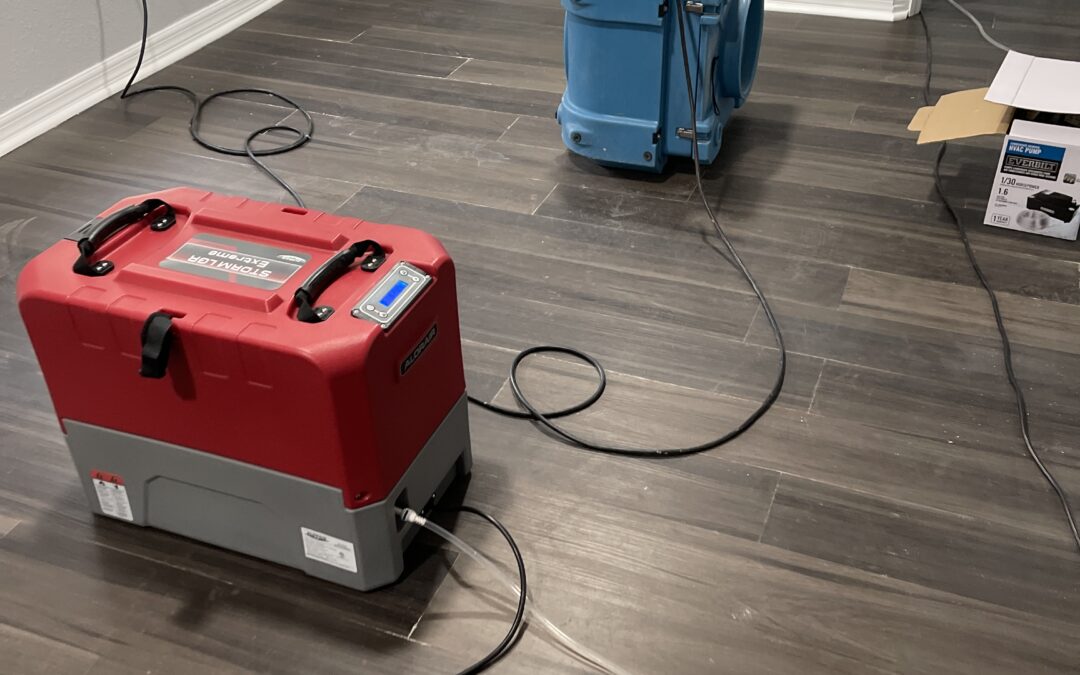
Air scrubbers play a crucial role in professional mold remediation. If you’re wondering, “How do air scrubbers help with mold remediation? the answer is simple—they clean the air. Mold doesn’t just grow on surfaces; it releases microscopic spores into the air, which can spread quickly through your home or building. Air scrubbers work by capturing and removing those airborne spores before they settle in other areas or get inhaled by occupants.

Step 1: Set Up Containment

Before you turn on the air scrubber, you need to isolate the mold-infested area. Use thick plastic sheeting to create a containment zone, sealing off walls, floors, and ceilings. This helps prevent mold spores from escaping into clean parts of the building. Make sure your setup includes a single entrance with an airlock—this keeps spores from sneaking out when people enter or exit.

Step 2: Position the Air Scrubber Correctly

Place the air scrubber inside the containment zone, ideally in a central spot. It should be able to draw in air from all corners of the space. Once it's on, the unit begins pulling in contaminated air, running it through high-efficiency filters—usually HEPA filters—which trap mold spores, dust, and other pollutants.

Step 3: Keep It Running

Let the air scrubber run continuously throughout the entire mold remediation process. This constant filtration helps reduce the concentration of airborne mold spores, protecting workers and preventing cross-contamination.

Step 4: Monitor and Maintain

Check the air scrubber regularly. Make sure it’s functioning properly and that the filters aren’t clogged. Replace filters as needed—dirty filters won’t trap spores effectively.

Step 5: Let It Finish the Job

Even after the visible mold has been removed, it’s a good idea to leave the air scrubber running for 24–48 more hours. This helps eliminate any remaining airborne spores, ensuring your indoor air is clean and safe.

Why It Matters

So, how do air scrubbers help with mold remediation? They don’t just make the air smell fresher—they significantly reduce the number of mold spores floating around. This protects the health of everyone in the building and helps ensure the mold problem is completely under control.

If you’re tackling a mold issue, air scrubbers are one tool you don’t want to skip. For more information visit our page on Handling Mold Problems or visit CDC.Gov.

How Do Air Scrubbers Help With Mold Remediation?

How do Air Scrubbers Work?

How Do Air Scrubbers Work?

If you’re dealing with mold, dust, or other airborne contaminants, you might be wondering: How do air scrubbers work? These powerful machines are a staple in restoration, construction, and healthcare settings—and for good reason. Air scrubbers are designed to improve indoor air quality by removing harmful particles from the air before they can be inhaled or spread to other areas.

They Pull Contaminated Air In

At the heart of every air scrubber is a high-powered fan that draws in air from the surrounding environment. Whether it's a moldy basement or a dusty construction zone, the unit pulls in all that contaminated air—including dust, mold spores, pollen, bacteria, and even some chemical particles.

The Magic Happens in the Filters

Once inside the machine, the air travels through a series of filtration stages, often starting with a pre-filter to catch larger particles like dust and hair. From there, the air hits a HEPA (High-Efficiency Particulate Air) filter, which captures microscopic pollutants as small as 0.3 microns—including mold spores and bacteria. Some models also include activated carbon filters to absorb odors and chemical vapors.

Clean Air Is Sent Back Out

After filtration, the scrubber pushes the now-clean air back into the room. This constant cycle of drawing in dirty air and releasing purified air helps to reduce the overall level of airborne contaminants—improving both health and comfort.

Essential in High-Risk Areas

Air scrubbers are especially important in mold remediation, where they prevent mold spores from spreading during the cleanup process. They're also used in hospitals, labs, and construction sites—anywhere clean air is essential for safety and health.

The Bottom Line

So, how do air scrubbers work? They act like a supercharged air purifier—pulling in dirty air, filtering out harmful particles, and pushing out clean, breathable air. Whether you’re tackling a mold issue or just want to breathe easier, air scrubbers are an efficient, effective solution for maintaining safe indoor air quality. For mor information about indoor air quality visit EPA.Gov

How Do I Know If I Have Mold In My Home?

How Do I Know If I Have Mold In My Home?

How Do I Know If I Have Mold in My Home?

Mold doesn’t always show itself in obvious ways—but knowing the signs can help you catch a growing problem before it becomes a health hazard. If you’ve been asking yourself, “How do I know if I have mold in my home?” here are the 6 signs to look for:

1. That Musty, Mildew-Like Smell

One of the most common giveaways is a musty odor. It’s that earthy, damp smell that often lingers in basements, bathrooms, or closets. You might get used to it and stop noticing—but guests probably won’t. If you smell something funky, don’t ignore it.

2. Visible Spots or Stains

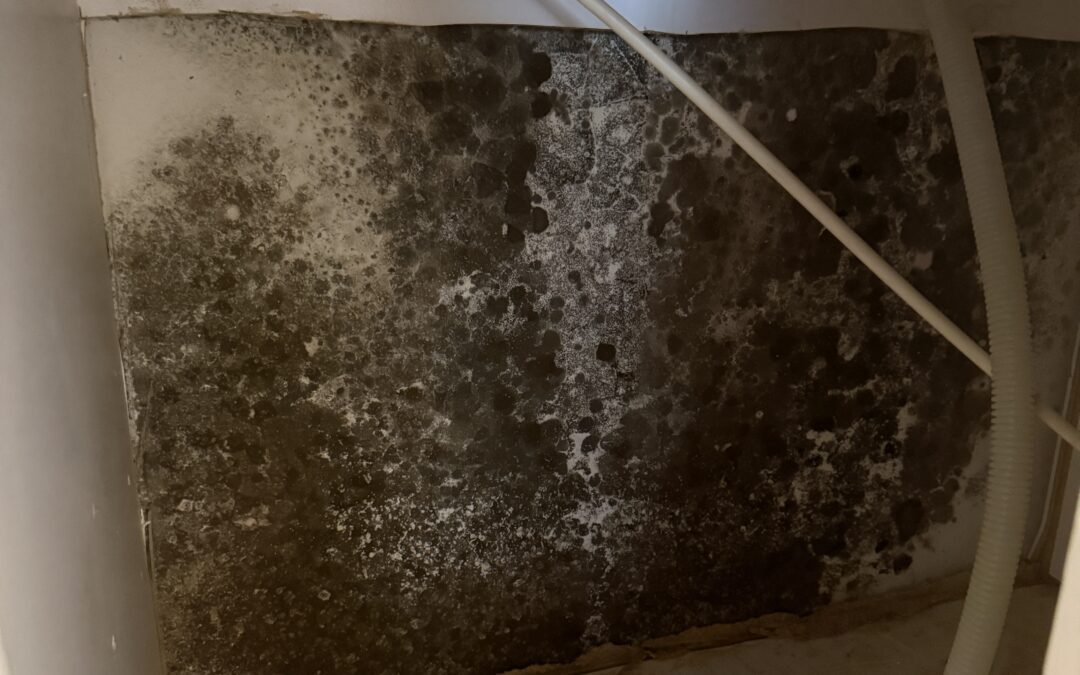
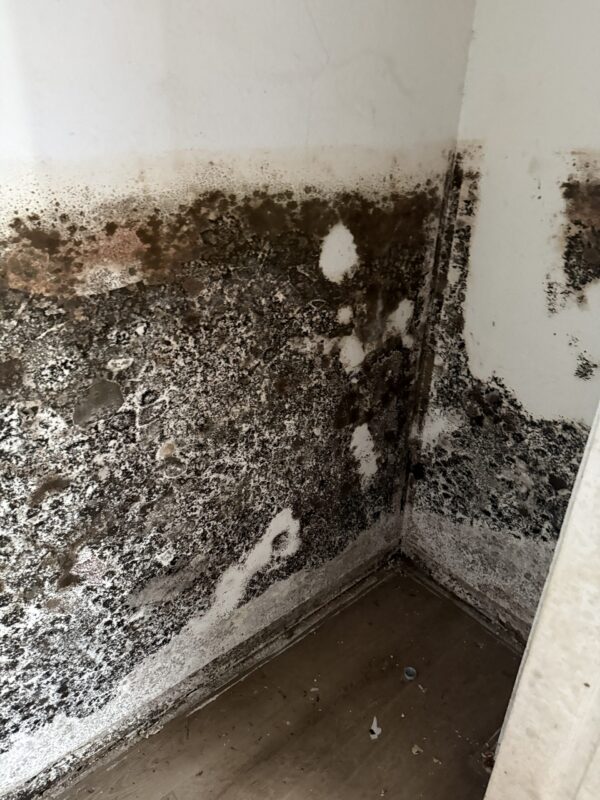
Mold growth can appear in many colors—black, brown, green, or even tan. Look for discoloration on ceilings, walls, clothing, shoes, or even furniture. If you see splotches that won’t wipe away, especially in humid areas like bathrooms or near AC vents, it’s time to take a closer look.

3. Water Damage or Stains

Even if you can’t see mold, water stains or signs of past leaks are red flags. Mold thrives in dark, hidden places—behind drywall, under sinks, inside cabinets—especially where water damage has occurred.

4. Bathroom Trouble Spots

Showers and tubs are hotbeds for mold growth. If you notice dark spots forming in the grout, caulk, or corners of your shower, it could be more than just soap scum.

5. Moldy Food More Often Than Usual

If you’re tossing out moldy food frequently—even food that was bought recently—it could point to a hidden mold problem. Mold spores in the air may be settling inside cabinets or pantries.

6. Feeling Sick More Often

Mold can trigger or worsen health issues. A weakened immune system, frequent colds, fatigue, allergies, skin rashes, sore throats, or asthma flare-ups may all be signs of exposure. Mold produces toxins that can build up in your body over time, especially in sensitive individuals.

Mold Hides in Surprising Places

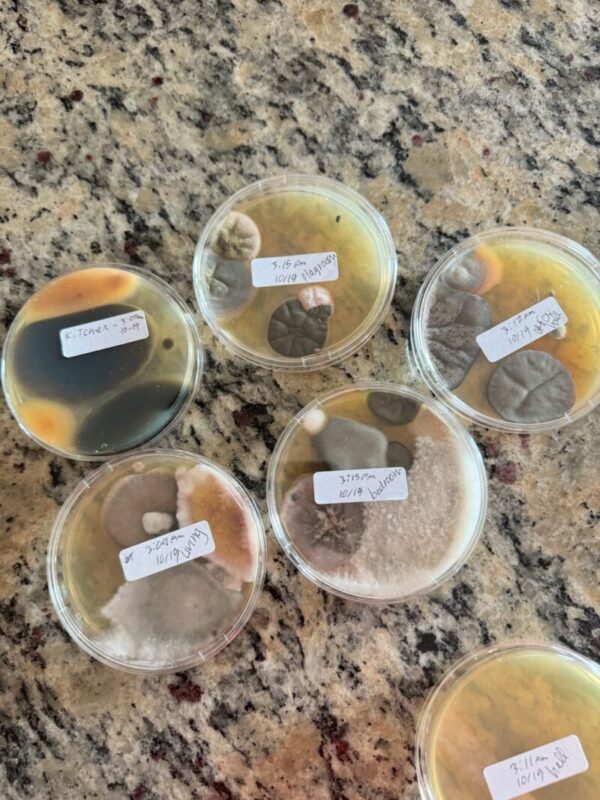
Even if you don’t see it, mold can be lurking in AC vents, behind walls, inside closets, or in your shoes and handbags. It loves moist, undisturbed areas—and it doesn’t need much light to grow.

What Should You Do Next?

If you recognize any of these signs, it’s a good idea to consult a mold inspection professional. They can test your air and surfaces to confirm if mold is present—even if it’s hiding behind the walls.

Still wondering, “How do I know if I have mold in my home?” Trust your nose, eyes, and body. If something feels off, there’s a good chance mold may be the culprit. Don’t wait—mold doesn’t go away on its own. If you need more information about mold visit our FAQ page or CDC.Gov.