Should I throw out moldy furniture?

Should I throw out moldy furniture?

Should I throw out moldy furniture? That’s a question many homeowners ask the moment they discover mold on a beloved couch, recliner, or wooden dresser. In the past, the answer was usually yes. Once mold took hold of porous materials like fabric, cushions, or untreated wood, getting rid of it completely was nearly impossible. People were told to toss anything moldy to protect their health—and in many cases, that advice made sense.

Mold doesn’t just live on the surface—it sends roots deep into the material. Traditional cleaning methods, like steam cleaning or using household cleaners, often fail to reach those roots. Worse yet, trying to scrub or steam moldy furniture can actually make things worse. Moisture adds fuel to the fire, and disturbing the mold releases spores into the air. Those spores can spread throughout your home, leading to poor air quality and potential respiratory issues for you and your family.

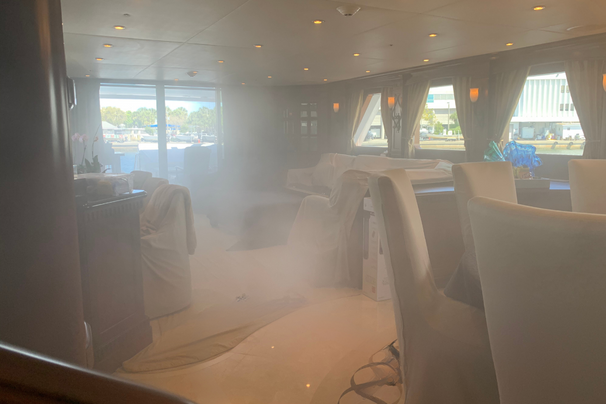
But times have changed. Thanks to technology like Smart Nano Purification, you don’t always have to say goodbye to your furniture. This innovative, non-toxic treatment is specifically designed to reach deep into materials and eliminate mold at its root—without soaking your furniture or causing further damage. It’s fast, safe, and effective.

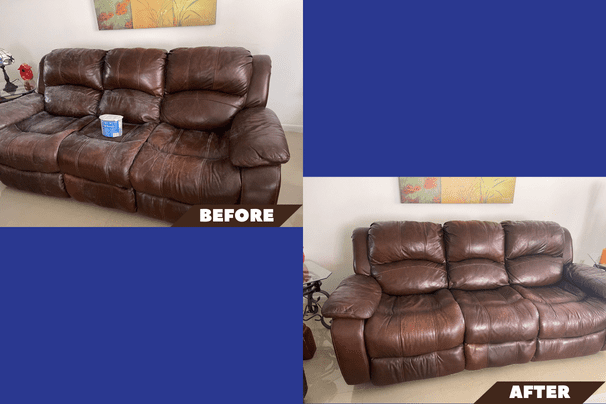
So, should you throw out moldy furniture? Not necessarily. With the right tools and treatment, your favorite pieces might be saved and restored. Of course, every situation is different—some items may still need to be discarded if they’re too far gone—but many can be salvaged thanks to modern mold remediation techniques.

Want to know if your furniture can be saved? Visit our Handling the Problem page to learn more about Smart Nano Purification and how we make mold removal demolition-free and stress-free!

Is Mold Everywhere?

Is Mold Everywhere?

Is mold everywhere? The short answer is yes—but don’t panic! It is a natural part of our environment. It’s found in the air we breathe, on outdoor surfaces like leaves and soil, and even floating in through open windows and doors. In small amounts, this everyday exposure is usually harmless. Your immune system is pretty great at handling those occasional spores that drift in from the outdoors.

But here’s the thing—just because mold exists everywhere doesn’t mean you should ignore it when it shows up inside your home.

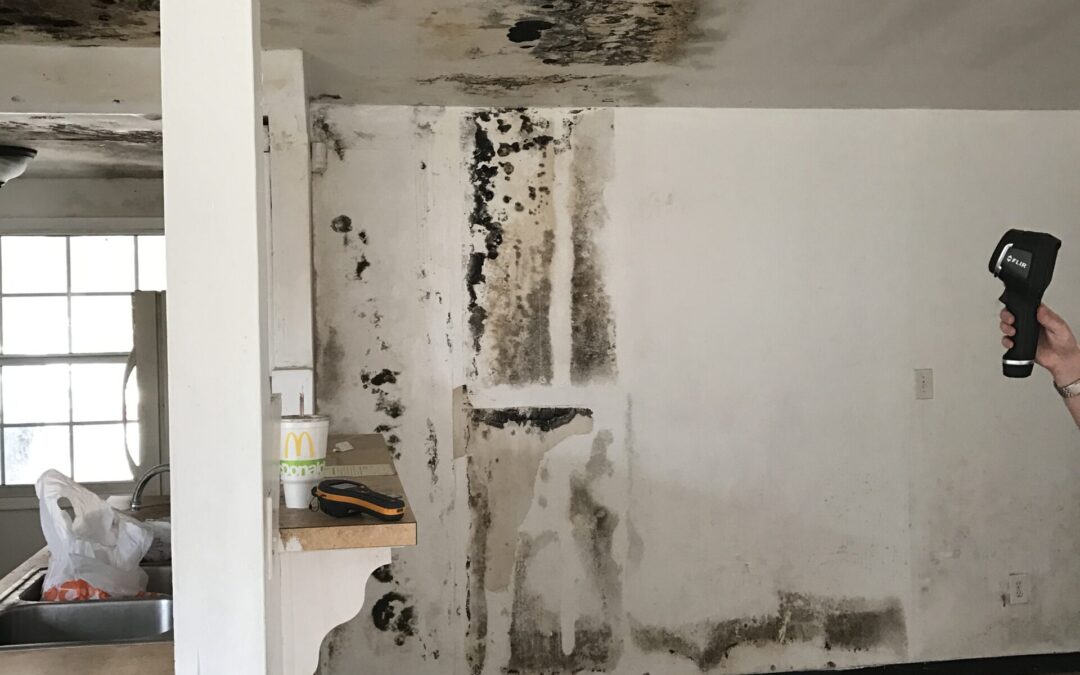
Outdoor mold is a natural part of the ecosystem. It breaks down leaves, wood, and organic debris. Indoors, however, it's a different story. When it finds the right conditions—usually a mix of moisture, warmth, and poor ventilation—it can settle in and grow on walls, ceilings, carpets, and even furniture. That’s when it becomes a problem.

Indoor growth can release a high concentration of spores and, in some cases, mycotoxins. These can affect your indoor air quality and may trigger allergies, asthma, or more serious health issues—especially for those with compromised immune systems. Even if you can’t see it, mold could be lurking behind drywall, under floors, or inside HVAC systems.

So, is mold everywhere? Technically, yes. But what matters most is how much of it is growing in your living space—and whether it’s been allowed to spread unchecked. That’s why it’s important to address leaks, control humidity, and get a professional inspection if you suspect it.

If you’re concerned about mold in your home, don’t just brush it off. Some mold is normal—but indoor growth is something you can and should do something about. Need help? Check out our Handling Mold Problems page to learn how we can get rid of it without demolition! For more information check out CDC.Gov.

Can You Use Bleach to Kill Mold?

Can You Use Bleach to Kill Mold?

Can You Use Bleach to Kill Mold?

Bleach is often thought of as the "go-to" cleaner for tough problems-but when it comes to mold, the truth is more complicated.

When Bleach Works

Bleach can kill mold on non-porous surfaces like:

  • Glass
  • Tile
  • Stainless steel

On these materials, mold stays on the surface, so bleach can wipe it out fairly effectively.

Where Bleach Fails

On porous materials such as:

  • Wood
  • Drywall
  • Ceilings
  • Concrete

…mold doesn't just sit on the surface-it grows roots (called hyphae) deep inside. Because bleach is water-based, it can't penetrate far enough to kill the mold at its source.

Why Bleach Can Make Mold Worse

  • Using bleach on porous surfaces may actually backfire:
  • The water content in bleach can soak in, creating more moisture for mold to feed on.
  • Bleach may cause mold to release spores, spreading the problem into the air.
  • Mold can return quickly, making it seem like it was never cleaned.

A Common Problem in HVAC Systems

Many homeowners try bleach on A/C vents or ductwork, only to find the mold keeps coming back. That's because bleach only cleans what's visible-it doesn't resolve the underlying moisture or contamination issue.

The Bottom Line

Bleach can kill mold-but only in very limited situations, and only on hard, non-porous surfaces. For porous materials or recurring mold issues, a deeper solution is needed-one that removes mold at its source rather than just hiding it temporarily.

If you’re tired of the bleach-clean-repeat cycle, check out our Handling Mold Problems page and learn how to treat mold the right way—without demolition and without toxic chemicals. Also take a look at our Blog page to see why DIY methods should be avoided.

Does Fogging Work?

Does Fogging Work?

Fogging does not work—at least not in the way many people think it does when it comes to mold remediation. Traditional fogging, often called “wet fogging,” is basically like using a giant spray bottle. It sprays a fine mist of liquid into the air, which settles onto surfaces and temporarily pulls mold spores out of the air. Sounds helpful, right? Not really.

Here’s the problem: that mist doesn’t actually kill the mold. It doesn’t reach into porous surfaces like drywall, wood, or insulation where mold roots live and thrive. All it really does is push spores around and give you the illusion of a clean space. In fact, many companies who use this method call it a "microbial wipe-down" because that’s all it truly is—a surface-level solution.

Within just a few days, the mold spores begin to come back. The source hasn’t been removed, the roots are still intact, and your indoor air quality is still at risk.

Now, some people hear about dry fogging and think it’s a better option—and in some ways, it is. Dry fogging uses smaller particles and doesn't drench surfaces like wet fogging does. It can penetrate a little deeper, even into wall cavities. But still, it doesn't go far enough.

That’s where Smart Nano Purification comes in. This process goes two steps beyond traditional fogging. Instead of spraying a mist, the solution is instantly converted into a gas using specialized equipment. The gas penetrates everywhere—into cracks, under floors, inside walls—without making anything wet or leaving a residue. And best of all, it actually eliminates mold spores, viruses, and bacteria at the root level.

So yes, fogging does not work if you're looking for a real, lasting solution. But Nano Purifying? That’s mold remediation done right. Learn more about how we do it on our Handling Mold Problems page—no demolition, no damage, just real results.