Ulocladium

Ulocladium

What Is Ulocladium?

Mold is a common problem that can affect any home or building. One particular type of mold that has gained attention in recent years is Ulocladium. This mold is often found in wet or damp environments and can cause health problems for those who are exposed to it. In this article, we will take a closer look at Ulocladium, including what it is, where it is commonly found, its health effects, and how to prevent its growth.

It's Characteristics

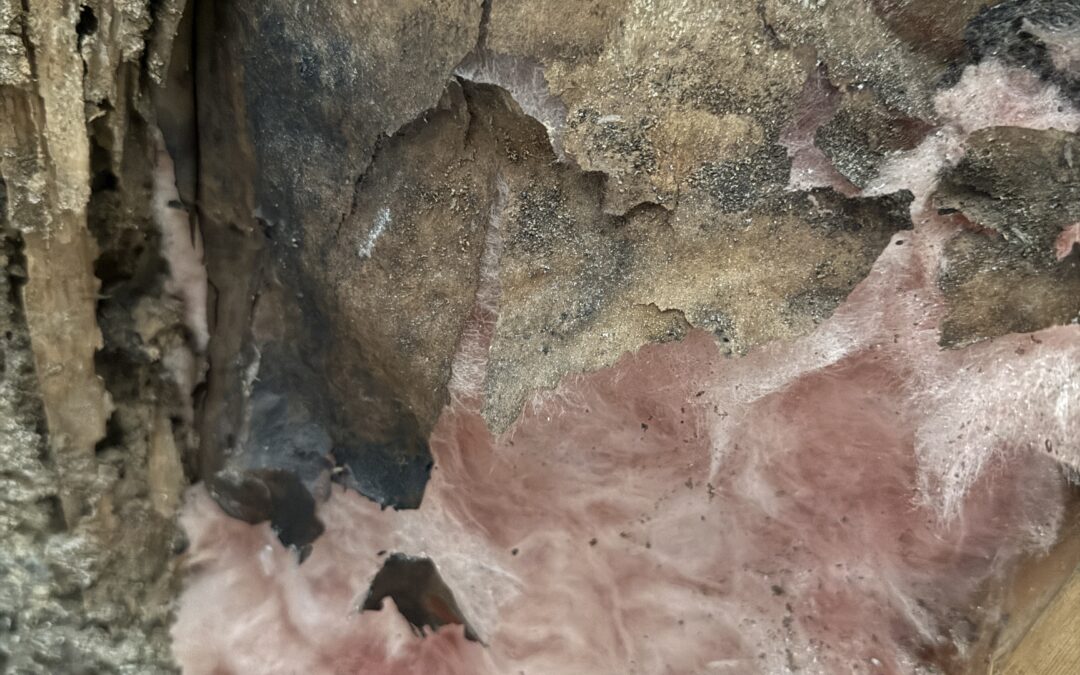
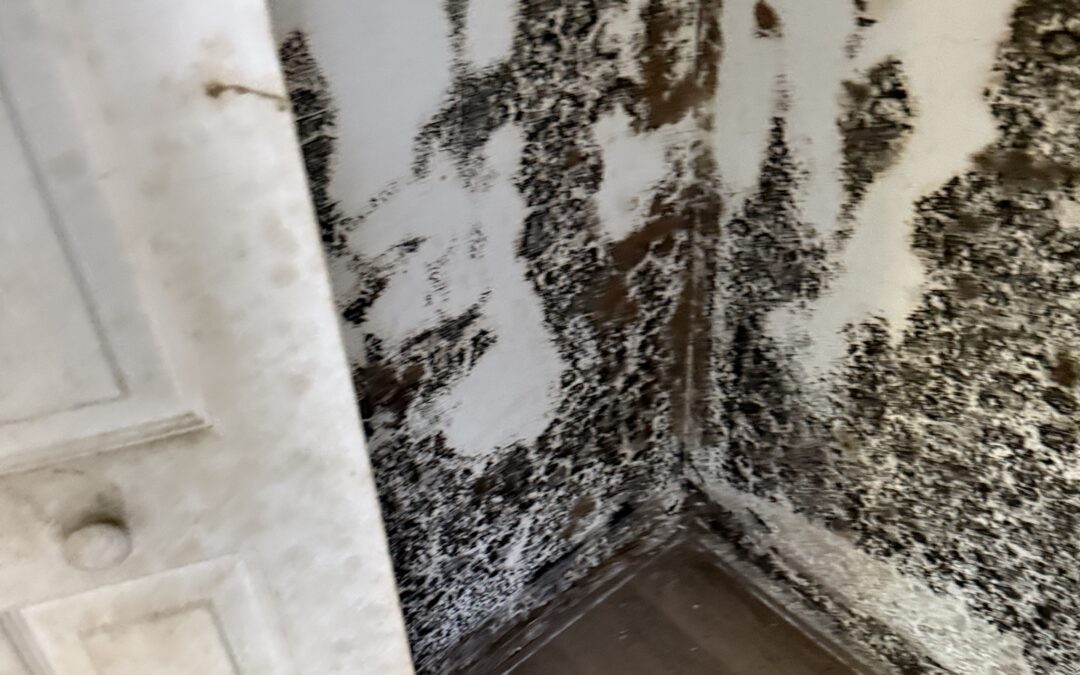
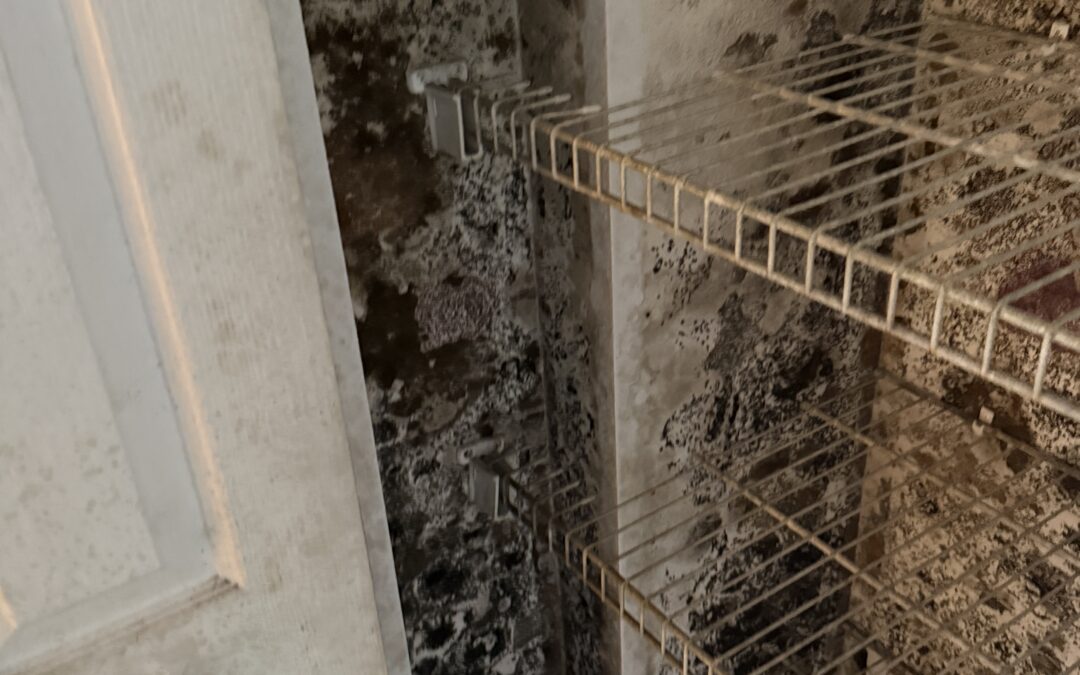
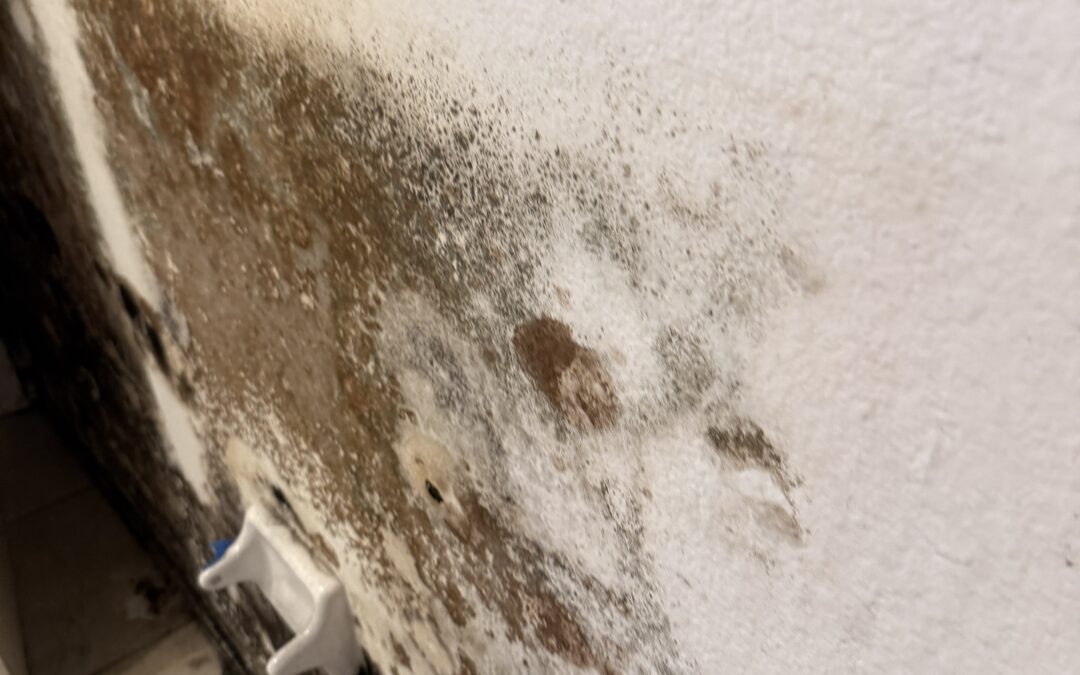
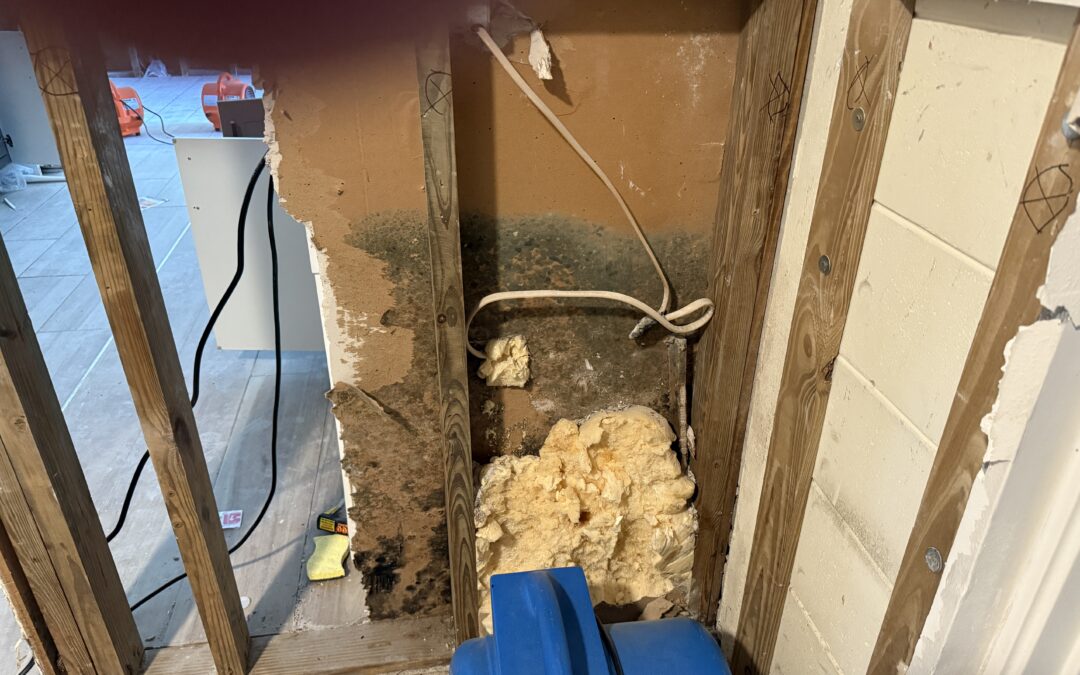
Ulocladium is a type of mold that is commonly found in wet or damp environments. It is a dark-colored mold that typically appears black or greenish-black in color. It is a filamentous fungus, which means that it forms long, branching filaments that can grow together to form a colony. This mold is common in soil, water, and decaying plant material.

Common Locations Where Ulocladium Is Found

It can be found in a variety of different environments, but it is most commonly found in wet or damp areas. This mold can be found in basements, bathrooms, kitchens, and other areas of the home that are prone to moisture. It can also be found in outdoor environments, such as in soil and on decaying plant material.

Health Effects of Ulocladium Exposure

Exposure to this mold can cause a variety of health problems. The most common health effects of Ulocladium exposure include respiratory problems, such as asthma and allergies. Ulocladium can also cause skin irritation and eye irritation. In some cases, exposure to Ulocladium can lead to infections, particularly in individuals with weakened immune systems.

How to Prevent Mold Growth

Preventing the growth of Ulocladium is essential to maintaining a healthy home or building. The best way to prevent the growth of this mold is to control moisture levels in the environment. This can be achieved by repairing any leaks or water damage, using exhaust fans in bathrooms and kitchens, and ensuring that the home is properly ventilated.

What to Do If You Find Ulocladium

If you do notice Ulocladium growth in your home, it is important to take immediate action to remove it. This can be done by hiring a professional mold remediation company, who will use specialized equipment and techniques to safely remove the mold from your home.

Conclusion

In conclusion, Ulocladium is a common type of mold that can cause health problems for those who are exposed to it. It is important to prevent the growth of this mold by controlling moisture levels in the environment and taking immediate action to remove any mold that is present. If you are concerned about mold growth in your home, it is recommended that you seek the advice of a professional mold remediation company. If you have more questions about mold explore our Mold Basics page.
Torula

Torula

What Is Torula Mold?

Torula mold, also known as Torula yeast, is a type of fungus that belongs to the family of yeasts known as Candida. It is commonly found in soil, water, and various organic materials, such as decaying plants, wood, and food waste.

Unique Growth Characteristics

This mold is unique in that it can grow under a wide range of conditions, including high temperatures, high salt concentrations, and acidic environments. Torula mold can also tolerate low levels of oxygen and low moisture levels, which makes it a hardy microorganism capable of surviving in a variety of habitats.

Industrial Uses of Torula Mold

The Torula mold is used in many industrial applications, including the production of food additives, enzymes, and biofuels. It is also used in the manufacturing of flavors and fragrances, as well as in the production of animal feed.

Torula Mold and MSG Production

One of the most significant applications of Torula mold is in the production of the food additive MSG (monosodium glutamate). MSG is a flavor enhancer commonly used in processed foods to enhance their taste. Torula yeast is an excellent source of glutamic acid, which is the primary component of MSG. It is a natural way to produce this flavor enhancer, as opposed to the synthetic processes used in the past.

Enzymes and Biotechnology Applications

Torula mold is also used in the production of enzymes, which are used in a wide range of industrial processes, including food processing, textile production, and the production of biofuels. The enzymes produced by this mold are capable of breaking down a variety of organic materials, making it an important player in the field of biotechnology.

Nutritional Use in Animal Feed

In addition to its industrial applications, this mold is also used as a nutritional supplement for animals. It is a rich source of protein, essential amino acids, and vitamins, making it an excellent addition to animal feed.

Health Concerns Associated With Torula Mold

However, it can also cause health problems in humans. It can produce allergens that can trigger allergic reactions, especially in people who are sensitive to molds. Some studies have also linked exposure to mold to respiratory problems and other health issues.

Preventing Exposure to Torula Mold

To reduce the risk of exposure to this mold, it is essential to maintain good hygiene practices, especially in areas where organic materials are present. It is also important to ensure that food is properly stored and disposed of, to prevent the growth of mold and other microorganisms.

Conclusion

In conclusion, Torula mold is a versatile microorganism with a wide range of industrial and nutritional applications. While it is generally safe, it can cause health problems in some people. By practicing good hygiene and food safety practices, we can minimize the risk of exposure to mold and reap the benefits of its many uses. For more information on mold Visit EPA.Gov or our Mold Basics page.

Penicillium / Aspergillus

Penicillium / Aspergillus

Understanding Penicillium and Aspergillus

Penicillium and Aspergillus are two of the most common types of molds found in nature. These molds play a vital role in the ecosystem by breaking down organic matter and recycling nutrients back into the soil. However, they can also pose a health risk to humans and animals when they grow indoors.

What Is Penicillium?

Penicillium is a genus of molds that includes over 300 species. This mold is commonly found in soil, decaying organic matter, and various foods, including bread, cheese, and fruits. The most famous member of this genus is Penicillium notatum, which produces the antibiotic penicillin. This mold was discovered in 1928 by Scottish scientist Alexander Fleming, and it revolutionized medicine by providing a way to fight bacterial infections.

Health Risks of Indoor Penicillium

While Penicillium and Aspergillus are beneficial outdoors, Penicillium can also cause health problems when it grows indoors. When inhaled, Penicillium spores can cause allergic reactions, such as hay fever, asthma, and other respiratory problems. People with weakened immune systems, such as those undergoing chemotherapy or with HIV/AIDS, are particularly vulnerable to infections caused by Penicillium.

What Is Aspergillus?

Aspergillus is another genus of molds that includes over 200 species. This mold is commonly found in soil, decaying plant matter, and indoor environments, such as homes and buildings. Aspergillus can grow on a variety of surfaces, including walls, ceilings, and carpets, and it can produce a musty odor.

Health Risks of Indoor Aspergillus

Like Penicillium, Penicillium and Aspergillus can cause health problems when they grow indoors. When inhaled, Aspergillus spores can cause a variety of allergic reactions, ranging from mild to severe. In some cases, Aspergillus can also cause infections, particularly in people with weakened immune systems.

Why Indoor Mold Growth Is a Concern

Penicillium and Aspergillus growing indoors can seriously impact indoor air quality and human health. Even healthy individuals may develop symptoms over time when exposed to mold spores, especially in poorly ventilated environments.

Preventing Mold Growth in the Home

Preventing Penicillium and Aspergillus growth indoors is essential for maintaining a healthy environment. The most effective way to prevent mold growth is to control moisture levels in the home. This can be done by fixing leaks, drying out wet areas, and using a dehumidifier in humid environments. Regular cleaning and proper ventilation can also help prevent mold growth.

Why Professional Mold Removal Matters

If you suspect that Penicillium and Aspergillus are growing in your home, it is essential to have them professionally removed. Attempting to remove mold yourself can be dangerous, as it can release spores into the air and spread the mold to other areas of the home. A professional mold remediation company can safely remove the mold and ensure that it does not return.

Safe and Effective Mold Remediation

Hiring professionals trained to handle Penicillium and Aspergillus ensures safe containment, removal, and long-term prevention. These experts use specialized tools and safety protocols to treat contaminated areas without further contaminating the air or surfaces.

Final Thoughts on Penicillium and Aspergillus

In conclusion, Penicillium and Aspergillus are two common types of molds found in nature. While these molds play a vital role in the ecosystem, they can also cause health problems when they grow indoors. Preventing mold growth by controlling moisture levels and promptly addressing leaks and water damage is essential for maintaining a healthy home environment. If you suspect that you have mold in your home, it is essential to have it professionally removed to ensure the safety of yourself and your family. For more information on Mold take a look at CDC.Gov or our Blog Pages.

Paecilomyces

Paecilomyces

What Is Paecilomyces?

Paecilomyces is a type of mold that belongs to the family of fungi known as Ascomycota. It is a widespread mold that is commonly found in soil, decaying plant matter, and air. There are over 200 different species, and many of them have been used in various industries, such as agriculture and medicine.

Agricultural Uses

One of the most well-known species is Paecilomyces lilacinus, which is a soil-borne fungus. This mold is commonly used as a biological control agent in agriculture to control plant-parasitic nematodes. It has also been shown to have potential as a biocontrol agent for insect pests and as a source of enzymes for industrial use.

Medical Applications of Paecilomyces

Another species that is commonly used in medicine is Paecilomyces variotii. This mold has been found to produce an antifungal compound known as variotin, which has potential as a new antifungal drug.

Health Risks Associated With Paecilomyces

This mold can cause infections in humans and animals, particularly in people with weakened immune systems. The mold can cause a range of infections, including sinusitis, keratitis, and invasive infections. Invasive infections are rare but can be serious and potentially life-threatening.

Symptoms of Paecilomyces Infections

Symptoms of infection can vary depending on the site of infection, but can include fever, cough, shortness of breath, chest pain, and eye pain. Diagnosis of infection can be challenging, as the mold is often resistant to antifungal drugs and may require special laboratory testing to identify.

Prevention and Hygiene Measures

Prevention of Paecilomyces infection involves avoiding exposure to the mold, particularly in high-risk environments such as hospitals and agricultural settings. Good hygiene practices and regular cleaning can also help to reduce the risk of infection.

Paecilomyces in Industry and Health

Despite the health risks, it holds great potential in biotechnology and industrial applications. Its use in biological pest control and drug development continues to make it a valuable mold across multiple sectors.

Conclusion

In conclusion, Paecilomyces is a common and diverse mold that has potential uses in various industries, including agriculture and medicine. However, it can also cause infections in humans and animals, particularly in people with weakened immune systems. Prevention of infection involves avoiding exposure to the mold and maintaining good hygiene practices. Understanding the dual nature of Paecilomyces—both beneficial and potentially harmful—helps us make informed decisions about its use and management. For more information about mold visit CDC.gov or our Blog Page.

Memnoniella

Memnoniella

What Is Memnoniella?

Mold is a common household problem that can pose serious health risks if not addressed properly. One type of mold that people should be aware of is Memnoniella. This mold is often mistaken for its cousin, Stachybotrys, which is also commonly known as “black mold.” In this article, we will discuss what Memnoniella is, where it is found, its health effects, and how to prevent its growth.

Characteristics of Memnoniella Mold

This mold is a genus of mold that belongs to the same family as Stachybotrys. It is a type of fungi that grows in damp, dark environments and can produce spores that can cause health problems when inhaled. It can have a greenish-black appearance, similar to Stachybotrys, and is often mistaken for it. However, Memnoniella is typically less toxic than Stachybotrys, but it can still cause health issues if it is present in large quantities.

Where Is It Commonly Found?

Memnoniella is often found in damp and humid areas, such as bathrooms, kitchens, basements, and crawl spaces. It can grow on a variety of surfaces, including wood, wallpaper, carpet, and insulation. It can also grow on food items, particularly fruits and vegetables, and can produce mycotoxins that can cause illness if consumed.

Health Effects of Memnoniella Exposure

The health effects of exposure can vary depending on the individual’s sensitivity to the mold and the amount of exposure. Like other molds, Memnoniella can cause allergic reactions, such as sneezing, runny nose, and itchy eyes. It can also cause respiratory problems, such as coughing, wheezing, and asthma attacks, particularly in people with pre-existing respiratory conditions.

Long-Term Health Risks

Long-term exposure can also cause more serious health problems. For example, it can cause chronic fatigue, headaches, memory loss, and mood swings. In rare cases, it can cause severe health problems, such as neurological damage, pulmonary hemorrhage, and even death. People with weakened immune systems, such as the elderly, infants, and individuals with chronic health conditions, are more susceptible to the adverse health effects of Memnoniella exposure.

Preventing Memnoniella Growth

Preventing Memnoniella growth is key to avoiding its adverse health effects. Here are some steps you can take to prevent mold growth in your home:

  • Control humidity levels: Keep humidity levels in your home between 30% and 50%. Use a dehumidifier if necessary.
  • Ventilate: Use exhaust fans in bathrooms and kitchens to remove excess moisture. Open windows to increase air circulation.
  • Fix leaks: Repair any leaks in plumbing or roofs immediately to prevent moisture buildup.
  • Clean and dry: Clean and dry any surfaces that are damp or wet within 24 to 48 hours to prevent mold growth.
  • Monitor indoor air quality: Regularly test your indoor air quality to detect any Memnoniella growth early.

Conclusion

In summary, Memnoniella is a type of mold that can cause health problems if it is not addressed properly. It is often found in damp and humid environments and can grow on a variety of surfaces. While it is less toxic than Stachybotrys, it can still cause respiratory problems and other health issues. Preventing Memnoniella growth is key to avoiding its adverse health effects. By controlling humidity levels, ventilating, fixing leaks, cleaning and drying surfaces, and monitoring indoor air quality, you can prevent mold growth in your home and protect your health.