Epicoccum

Epicoccum

What Is Epicoccum?

Epicoccum is a genus of fungi that belongs to the phylum Ascomycota. It is a widespread genus and has been found in a variety of environments, including soil, decaying plant matter, and stored grains. The most common species of Epicoccum is Epicoccum nigrum, which has been found all over the world.

Where Is It Commonly Found?

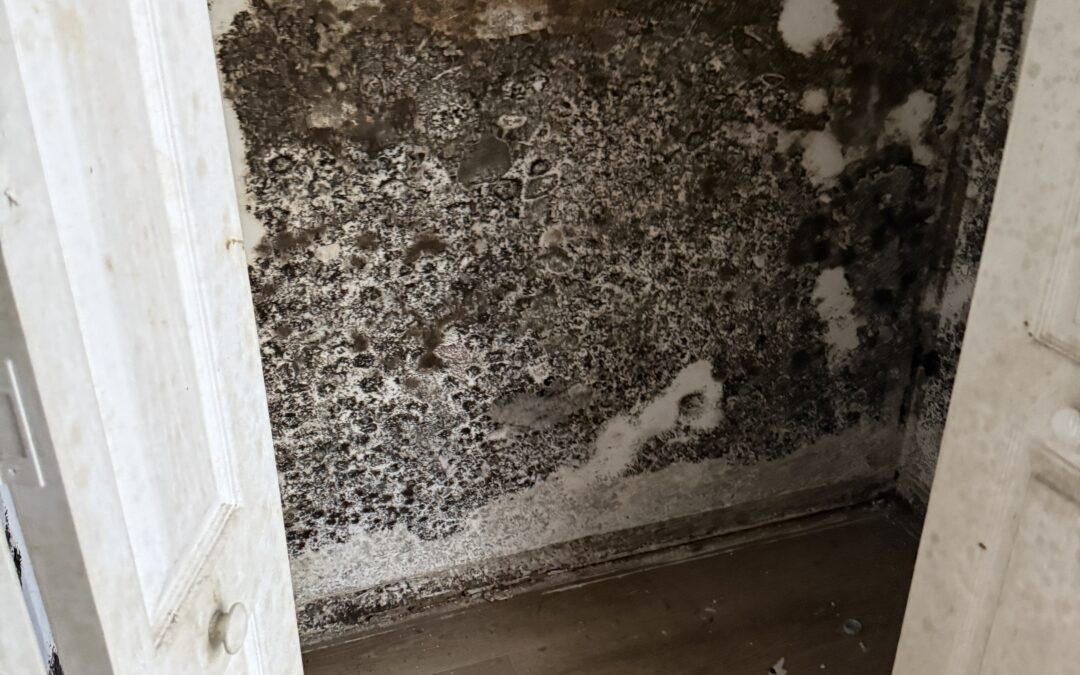
Epicoccum is a common mold that is often found in indoor and outdoor environments. It can grow on a variety of surfaces, including walls, ceilings, floors, and furniture. It grows best in warm and humid conditions, which is why it is often found in bathrooms, kitchens, and other areas with high moisture levels.

Is Epicoccum a Health Concern?

Although Epicoccum is a common mold, it is not considered a major health concern for most people. In fact, it is considered to be a relatively harmless mold. However, some people may be allergic to it, and exposure to the mold can cause symptoms such as runny nose, sneezing, and itchy eyes.

Structural Damage from Epicoccum

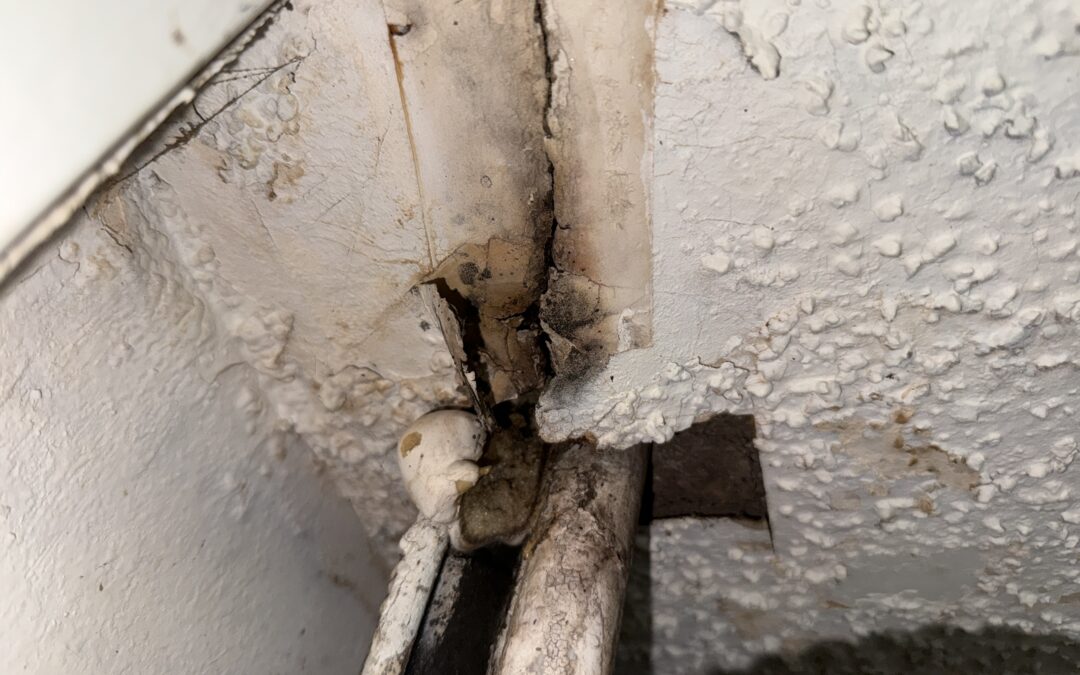
In addition to being a potential health hazard, it can also cause damage to buildings and other structures. When it grows on surfaces such as walls and ceilings, it can weaken the material and cause it to deteriorate over time. This can lead to structural damage and may require costly repairs.

How to Prevent Growth

To prevent the growth of Epicoccum, it is important to keep indoor environments clean and dry. This can be accomplished by regularly cleaning surfaces with a disinfectant cleaner and by ensuring that there is adequate ventilation in the area. In addition, it is important to repair any leaks or other sources of moisture as soon as they are discovered.

When to Call a Professional

If you suspect that your home or business may have a problem with Epicoccum, it is important to have it inspected by a professional. A mold inspector can determine the type of mold present and can provide recommendations for remediation and prevention.

Conclusion

In conclusion, Epicoccum is a common mold that is often found in indoor and outdoor environments. While it is not considered a major health hazard for most people, it can cause allergic reactions in some individuals and can also cause damage to buildings and other structures. To prevent the growth of mold, it is important to keep indoor environments clean and dry and to have any suspected mold problems inspected by a professional. For more information on mold visit FEMA.Gov or our Blog Page.
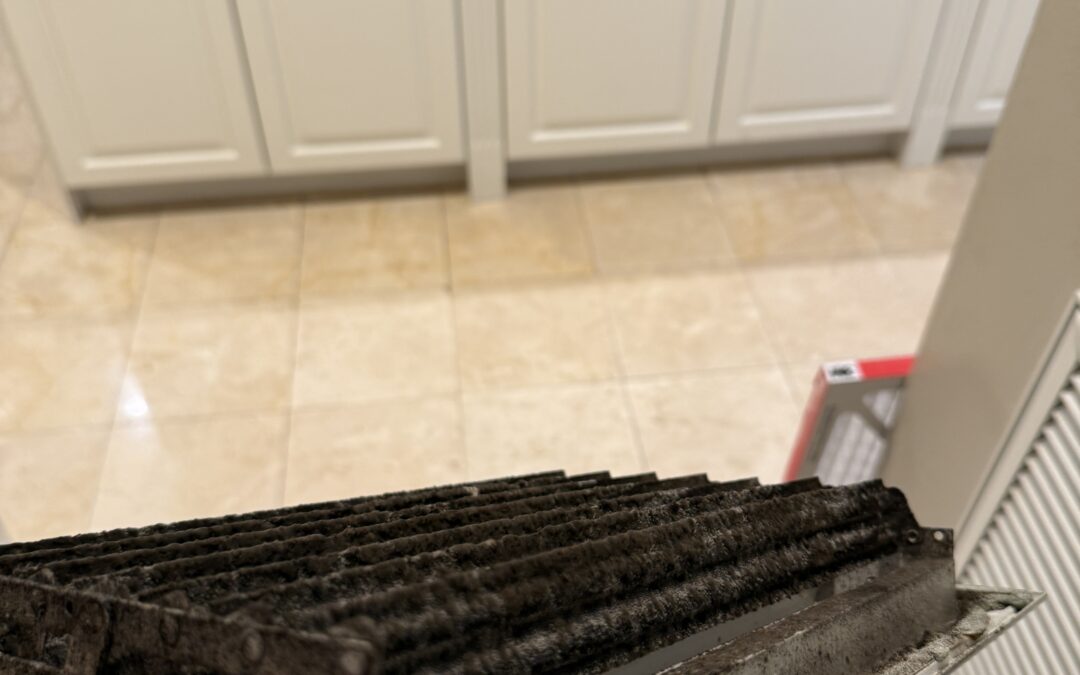
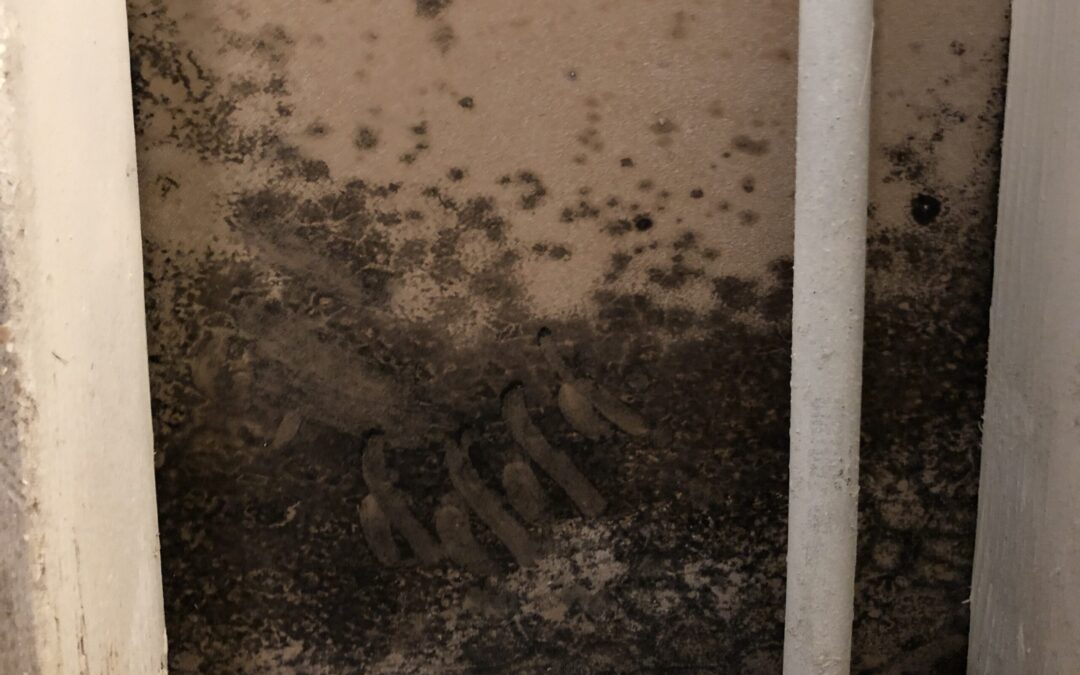
Curvularia

Curvularia

What Is Curvularia Mold?

Curvularia is a type of mold that belongs to the family Dematiaceae. It is commonly found in soil, air, and plant materials. Although it's typically associated with the outdoors, it can easily make its way into indoor environments—especially those with moisture problems.

Appearance and Growth Conditions

Curvularia is known for its dark brown to black coloring and its distinct curved or crescent-shaped spores. These spores often cluster together and range from 3 to 10 microns in size. It thrives in both dry and damp conditions but tends to grow more aggressively in warm, humid environments. Indoors, it’s often found on damp walls, carpets, and around leaky windows or pipes.

Common Species

Some of the most frequently encountered species of this mold include Curvularia lunata, Curvularia geniculata, and Curvularia pallescens. These species vary slightly in structure but are all capable of causing health concerns in humans and animals.

Health Risks and Symptoms

Curvularia can cause infections such as sinusitis, skin infections, and in rare cases, lung infections. People with weakened immune systems may be more susceptible. Symptoms can include:

  • Fever
  • Persistent cough
  • Difficulty breathing
  • Nasal congestion or sinus pressure

In addition to infections, Mold can trigger allergic reactions like sneezing, itchy eyes, runny nose, and skin irritation.

Comparison to Other Molds

While Curvularia primarily affects respiratory health and skin, other molds like Ceratocystis and Ophiostoma are more commonly linked to structural damage, particularly in wood. Unlike Curvularia, which can grow across a variety of surfaces, these molds are typically seen in decaying timber or infected trees.

Preventing Curvularia Growth

Preventing Growth requires controlling moisture and maintaining cleanliness in indoor spaces. Here are a few effective tips:

  • Keep indoor areas dry and well-ventilated
  • Promptly repair leaks in plumbing, roofing, or windows
  • Use dehumidifiers in damp basements or bathrooms
  • Clean HVAC systems and replace air filters regularly
  • Remove and replace any water-damaged building materials
  • Use a HEPA air purifier to reduce airborne spores

When to Get a Professional Inspection

If you notice signs of mold or experience persistent allergy-like symptoms in your home or workplace, it’s wise to consult a professional. A certified mold inspector can identify the specific type of mold, including Curvularia, and provide guidance on proper remediation.

Final Thoughts

Curvularia is a widespread mold that poses health risks—especially for individuals with allergies or respiratory issues. It thrives in warm, moist environments and can easily establish itself indoors. Although it is less known for structural damage than molds like Ceratocystis or Ophiostoma, it still requires attention. Keeping indoor spaces dry, clean, and well-ventilated is the best defense against Mold growth and its potential impact on health. For additional information about mold Check out our FAQ's Page or visit EPA.Gov.

Alternaria

Alternaria

What is Alternaria?

Alternaria is a genus of molds commonly found in soil, plants, and air. With over 299 known species, it is one of the most diverse and widespread mold types. While many species are harmless, some can cause allergies, respiratory issues, and food spoilage. In this article, we’ll explore its characteristics, growth patterns, health effects, and prevention strategies.

Alternaria Characteristics and Appearance

This type of mold is filamentous and produces airborne spores that spread easily. It can appear in various colors, including gray, green, brown, and black. It grows on a wide range of surfaces such as soil, plants, and food. Warm, humid environments provide the ideal conditions for growth, which is why it is especially common in tropical and subtropical climates. Its spores can remain airborne for long periods, increasing the risk of exposure.

Growth Conditions and Common Locations

It grows rapidly, forming colonies within a few days when conditions are favorable. Moisture is a critical factor for development, so areas affected by water damage, high humidity, or poor ventilation are particularly susceptible. Bathrooms, kitchens, basements, and poorly ventilated spaces are frequent problem areas. It can colonize materials such as wood, drywall, carpet, and fabrics.

Health Effects of Exposure

Exposure to this mold can lead to a variety of health problems, especially for people with asthma, allergies, or weakened immune systems. Symptoms may include respiratory irritation, allergic reactions, and worsening of asthma. Long-term or high-level exposure can cause mycotoxicosis, a condition triggered by the mold’s mycotoxins. This can result in symptoms like fatigue, headaches, nausea, and vomiting.

Prevention Strategies

Preventing mold growth involves maintaining a dry, well-ventilated environment. Quickly addressing water damage or leaks is essential. Areas prone to moisture should be cleaned regularly, and indoor humidity should be kept between 30% and 50% to inhibit mold development.

Remediation and Treatment

If growth is already present, prompt action is needed. This may require removing contaminated materials like drywall or carpeting and performing thorough cleaning. In more serious cases, professional mold remediation may be necessary to completely eliminate the problem.

Conclusion

This mold is common and potentially harmful, particularly in warm and humid environments. It can grow on many surfaces, making prevention and prompt action essential. By keeping your home dry and addressing moisture issues quickly, you can reduce the risk of exposure and protect your indoor air quality. For more information on mold visit CDC.Gov or our FAQ page

Acremonium

Acremonium

What is Acremonium?

Acremonium is a genus of fungi that includes several species commonly found in the environment. These fungi are widespread in soil, decaying plant material, and indoor spaces. While many species are harmless, some can produce toxins that may be harmful to both humans and animals.

Where This Mold Grows

One of the most well-known species from this genus is commonly found in damp, dark areas such as basements, bathrooms, and kitchens. It often appears green, gray, or white with a soft, cotton-like texture. Although it grows slowly and may go unnoticed at first, it can quickly spread if not addressed promptly.

Health Effects of Exposure of Acremonium

Exposure can lead to various health concerns, particularly for those with weakened immune systems, including infants, the elderly, and individuals with chronic conditions like HIV/AIDS. Certain species produce mycotoxins, which can trigger allergic reactions, respiratory issues, and other symptoms.

Common Symptoms

Some of the most frequently reported symptoms include:

  • Allergic reactions like sneezing, a runny nose, and itchy eyes
  • Respiratory issues such as wheezing or shortness of breath
  • Skin rashes and irritation
  • Fatigue, headaches, or dizziness
  • Nausea and vomiting

It’s important to recognize that sensitivity varies, and even minor exposure can lead to health effects in more vulnerable individuals. If you believe you've been exposed, it’s best to consult a medical professional immediately.

Mold Prevention Tips

Preventing growth is essential to maintaining a healthy home. Here are some helpful strategies:

  • Ensure good ventilation in moisture-prone areas like kitchens, bathrooms, and basements
  • Fix water leaks and address damage as soon as possible
  • Use a dehumidifier to keep humidity levels in check
  • Clean and dry wet areas within 48 hours
  • Apply mold-resistant paint and building materials in vulnerable locations

Removal and Remediation

If you suspect that mold is growing in your home, it is essential to have them professionally removed. Attempting to remove mold yourself can be dangerous, as it can release spores into the air and spread the mold to other areas of the home. A professional mold remediation company can safely remove the mold and ensure that it does not return.

Conclusion

This mold is often found in dark, damp environments and can pose serious health risks if left untreated. Prevention and early detection are the best ways to protect yourself and your family. By improving ventilation, reducing moisture, and taking swift action when mold appears, you can help keep your home clean, safe, and healthy. For more information on mold visit our Blog page or FEMA.Gov.

Basidiospores

Basidiospores

What are Basidiospores?

Mold is a type of fungus that can grow and spread in various environments, both indoors and outdoors. One type of mold that is commonly found is Basidiospores. Basidiospores are spores produced by a group of fungi called basidiomycetes, which include mushrooms, puffballs, and bracket fungi.

Where Are They Found?

Basidiospores are microscopic in size and can be dispersed by wind or other means. They are commonly found in soil, decaying wood, and other organic matter. When conditions are favorable, they germinate and grow into the familiar structures of mushrooms, which produce and release more spores into the air.

Unique Characteristics of Basidiospores

One interesting characteristic of basidiospores is their unique shape. They are typically club-shaped or have a bulbous base with a slender, elongated top. This shape helps them to cling to surfaces and be carried by air currents, making them efficient at spreading and colonizing new areas.

Health Risks of Exposure

While basidiospores are an important part of the ecosystem and play a role in breaking down organic matter, they can also pose a health risk to humans. When mold spores are inhaled or come into contact with the skin or eyes, they can cause a range of allergic reactions and respiratory problems. Symptoms of mold exposure may include sneezing, coughing, wheezing, skin irritation, and eye irritation.

Preventing the Spread of Mold

To prevent the growth and spread of basidiospores and other types of mold, it is important to control moisture levels in indoor environments. This can be achieved by fixing leaks and reducing humidity levels with dehumidifiers or air conditioning units. Regular cleaning and maintenance of surfaces can also help to prevent mold growth.

Conclusion

In conclusion, basidiospores are a type of mold spore produced by basidiomycetes fungi. While they play an important role in the natural world, they can also cause health problems for humans. To minimize the risks associated with mold exposure, it is important to control moisture levels in indoor environments and practice good cleaning and maintenance habits. For more information about mold visit our FAQ page or EPA.Gov.