Chaetomium

Chaetomium

What is Chaetomium?

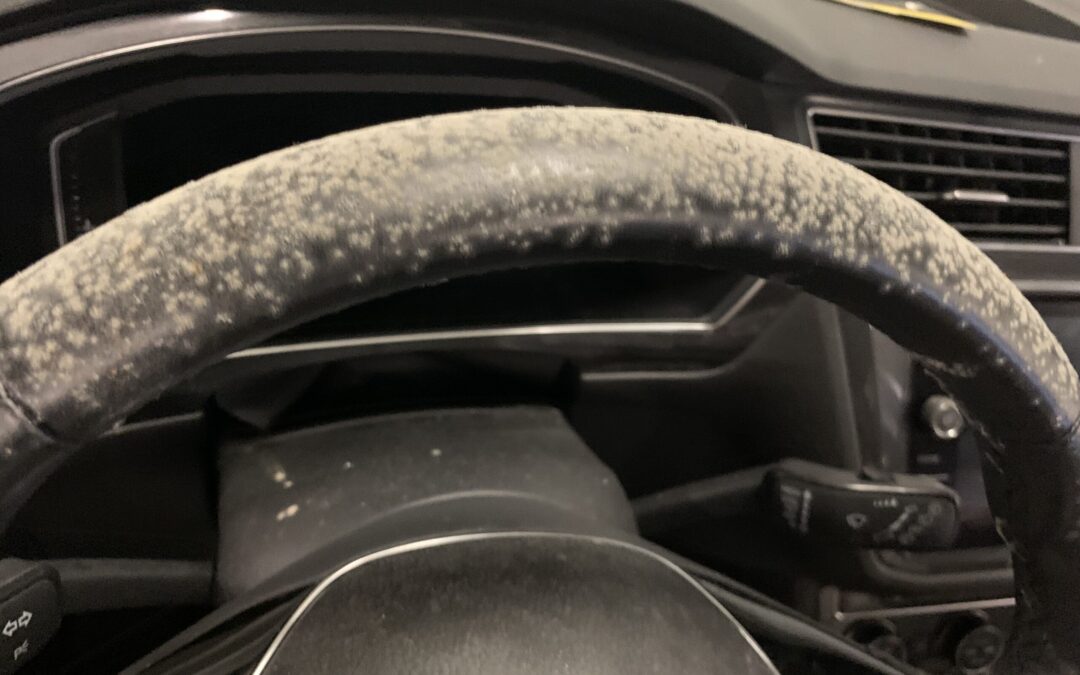
Chaetomium is a genus of mold that is commonly found in soil, decaying plant material, and water-damaged buildings. It is also commonly referred to as a “scented mold” because of the musty odor it produces. Chaetomium mold is considered a type of filamentous fungi and can be identified by its cottony texture and grey-green color.

Growth Conditions and Spore Dispersal

The growth of Chaetomium mold can be encouraged by damp or humid conditions. The spores of the mold can be easily dispersed into the air and can cause health problems if inhaled. This can be especially problematic for individuals with allergies, asthma, or weakened immune systems.

Symptoms of Exposure

Symptoms of exposure to Chaetomium mold can vary depending on the individual and the extent of exposure. Common symptoms include respiratory problems, such as coughing, wheezing, and shortness of breath. Other symptoms may include skin irritation, headaches, and fatigue. Long-term exposure to Chaetomium mold can also lead to more serious health problems, such as neurological damage and organ failure.

Structural Damage Caused Mold

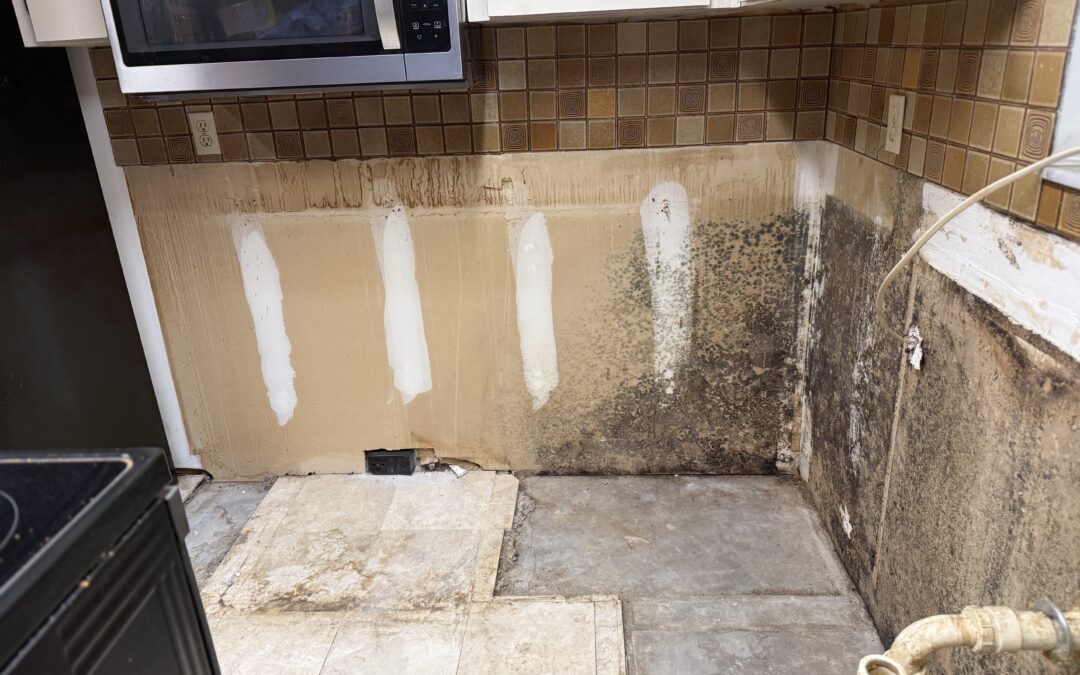
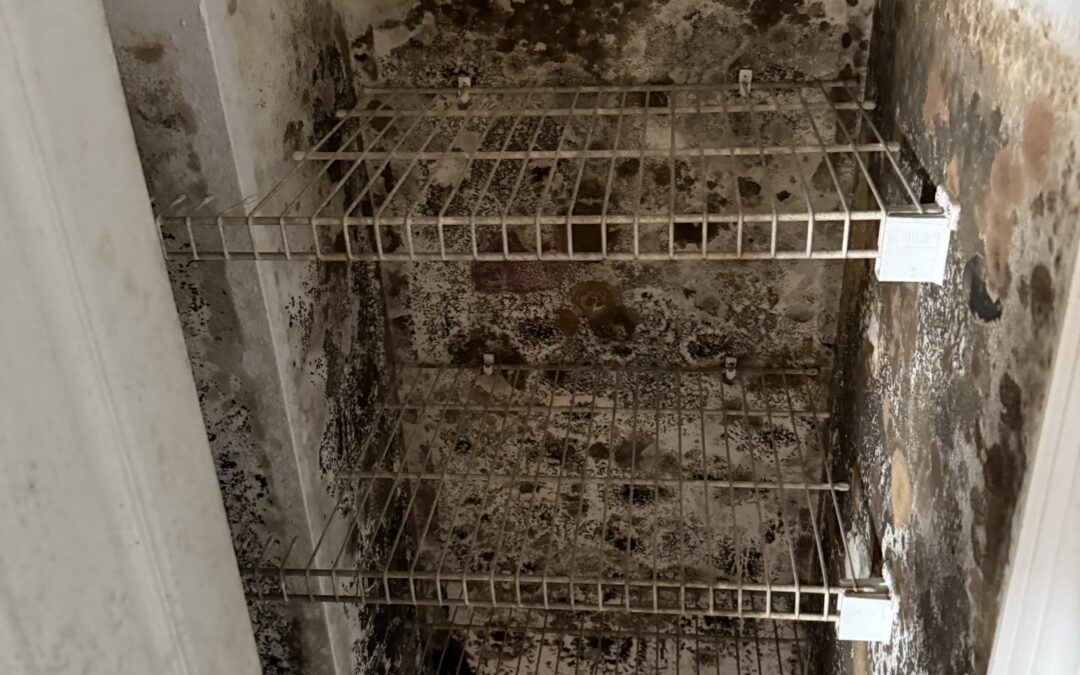
In addition to its health risks, Chaetomium can also cause structural damage to buildings. The mold can grow on a variety of surfaces, including drywall, wood, and carpet. As it grows, it can weaken the structural integrity of these materials, leading to potential hazards.

Preventing the Growth of Mold

Preventing the growth of mold involves controlling moisture levels in buildings. This can be done by fixing leaks, improving ventilation, and reducing humidity levels. If mold is present, it should be removed immediately to prevent further growth and potential health hazards.

Removing Mold Safely

If you suspect that Chaetomium is growing in your home, it is essential to have them professionally removed. Attempting to remove mold yourself can be dangerous, as it can release spores into the air and spread the mold to other areas of the home. A professional mold remediation company can safely remove the mold and ensure that it does not return.

Conclusion on Chaetomium Mold

Chaetomium mold is a common type of mold found in damp or humid environments. It can cause health problems and structural damage to buildings. Preventing the growth of mold involves controlling moisture levels, and removing mold should be done by a professional to prevent further health hazards. For more information go to our Blog Page or CDC.Gov.
Bipolaris / Dreschlera

Bipolaris / Dreschlera

What is Bipolaris?

Bipolaris, also known as Dreschlera, is a genus of fungi found in soil, plants, and water. While some species are plant pathogens, others are known to affect humans and animals through allergies and infections.

Environmental Presence and Characteristics

This fungus is recognized by its dark, pigmented spores and adaptability to various climates, from tropical to temperate regions. Several well-known species—such as B. sorokiniana, B. maydis, B. cynodontis, and B. zeicola—are notorious for their role in agricultural damage.

Effects on Crops and Plant Health

Several species cause destructive plant diseases like leaf spot, blight, and wilt. These issues impact important crops including wheat, maize, barley, rice, sorghum, and sugarcane. Symptoms can vary but often include:

  • Leaf spots and blotches
  • Brown or black lesions on stems and seed heads
  • Wilting and plant stunting
  • In extreme cases, plant death

Early identification and management are essential to limiting crop loss.

Health Risks to Humans and Animals

Though typically associated with plants, this genus can also impact human and animal health—particularly in individuals with weakened immune systems. Infection may result from inhaling airborne spores and can cause:

  • Fever
  • Cough
  • Chest pain

In rarer cases, it may lead to skin or eye infections.

Prevention and Control in Agriculture

To manage this fungus in plants, the following practices are recommended:

  • Rotating crops regularly
  • Planting resistant cultivars
  • Cleaning up infected plant material
  • Disinfecting gardening tools and equipment
  • Applying fungicides in severe outbreaks

These steps help reduce the spread and recurrence of infections in agricultural settings.

Reducing Human Exposure

To prevent health risks, minimizing spore exposure is crucial. Practical steps include:

  • Maintaining indoor air quality
  • Avoiding high-risk outdoor environments during spore surges
  • Wearing protective gear when handling soil or plants

These strategies are especially important for those with respiratory conditions or compromised immunity.

Conclusion

This mold genus presents challenges in both agriculture and public health. By practicing proper sanitation, using resistant plant varieties, and reducing personal exposure to spores, the spread of this fungus can be managed effectively—protecting both crops and communities. For more information on mold Visit our Blog page or EPA.Gov.

Stachybotrys

Stachybotrys

What Is Stachybotrys?

Stachybotrys is a type of mold that has gained significant attention in recent years due to its potential health effects on humans. It is commonly referred to as “black mold” due to its dark greenish-black color and slimy texture. In this article, we will explore what Stachybotrys is, where it is commonly found, its health effects, and how to prevent and remove it.

Common Environments Where It Grows

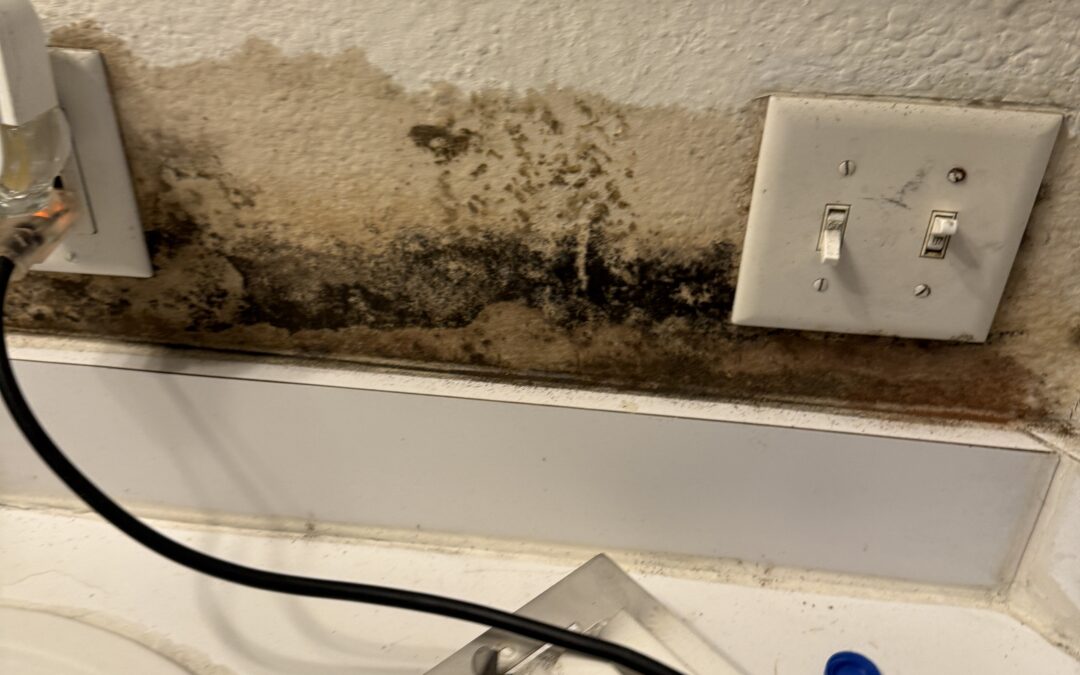
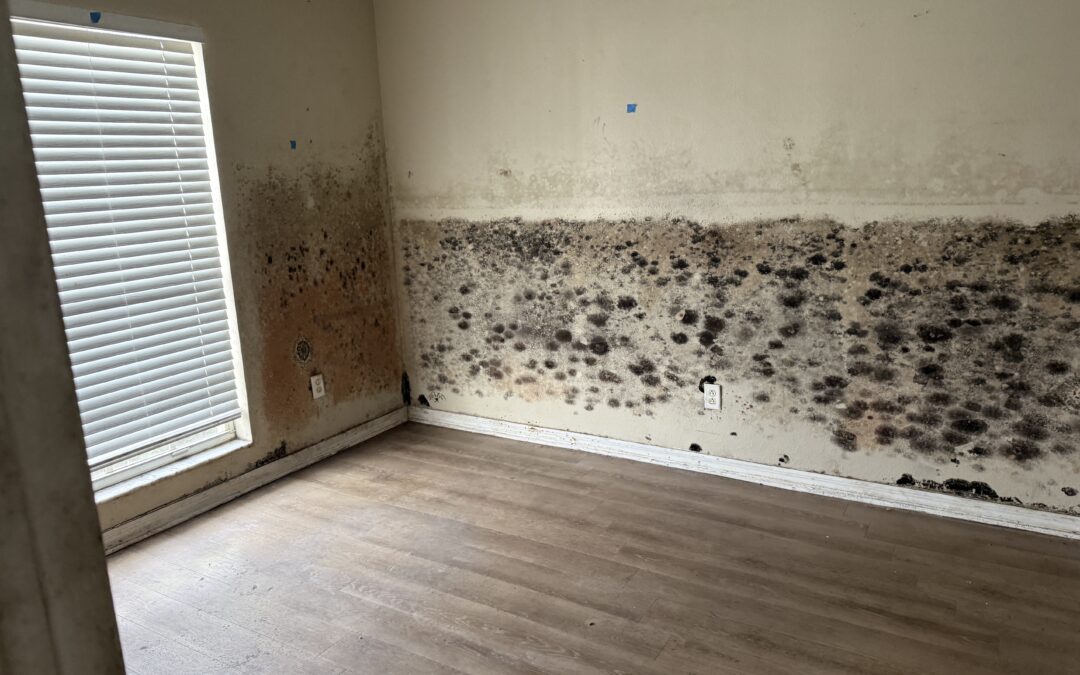
Stachybotrys is a type of mold that grows in damp, humid environments. It is commonly found in buildings with water damage, such as leaky roofs, plumbing issues, or flooding. Stachybotrys produces mycotoxins, which are toxic substances that can have harmful effects on human health.

This mold is commonly found in buildings with water damage, such as homes, offices, schools, and other commercial buildings. It thrives in damp, humid environments, such as basements, bathrooms, and kitchens. It can also be found in soil, decaying plant material, and on food.

Health Effects of Exposure

Exposure to Stachybotrys can cause a range of health effects, including respiratory problems, allergies, and headaches. In some cases, it can lead to more severe health issues such as asthma, lung infections, and neurological problems. Individuals with weakened immune systems, allergies, or respiratory problems are more susceptible to the harmful effects of this mold.

Preventing and Removing Stachybotrys

Preventing Stachybotrys from growing in your home or building is essential to ensuring good indoor air quality and avoiding potential health problems. Here are some steps you can take to prevent and remove it:

Control moisture levels: Keeping moisture levels low in your home or building is crucial in preventing mold growth. Fix any water leaks or plumbing issues immediately, and use dehumidifiers in damp areas such as basements and bathrooms.

Proper ventilation: Proper ventilation is essential in reducing humidity levels and preventing mold growth. Use exhaust fans in bathrooms and kitchens, and make sure air can circulate freely throughout the building.

Regular cleaning: Regularly cleaning your home or building can help prevent mold growth. Make sure to clean any spills or water damage promptly, and regularly dust and vacuum to remove any potential mold spores.

Professional remediation: If you suspect you have Stachybotrys in your home or building, it is important to contact a professional mold remediation company. They have the expertise and equipment to safely remove the mold and prevent it from returning.

Summary and Final Thoughts

Stachybotrys is a type of mold that can have harmful effects on human health. Preventing and removing it from your home or building is essential in ensuring good indoor air quality and avoiding potential health problems. By following the steps above, you can reduce the risk of this mold growing in your home or building and maintain a healthy environment for you and your family.

Aspergillus

Aspergillus

What Is Aspergillus?

Aspergillus is a genus of molds that includes over 200 species, with the most common being Aspergillus fumigatus, Aspergillus flavus, and Aspergillus niger. These molds are found worldwide, in soil, plant debris, and indoor environments such as homes, schools, and workplaces. While many species are harmless, some can cause serious health problems in humans and animals.

Toxins and Health Risks of Aspergillus

These molds are known to produce mycotoxins, which are toxic compounds that can cause a range of health problems when inhaled or ingested. For example, Aspergillus flavus can produce aflatoxins, which are known to cause liver damage and cancer in humans and animals. Aspergillus fumigatus can produce a variety of toxins that can cause respiratory problems, including allergies, asthma, and lung infections. Additionally, some species can cause fungal infections, particularly in individuals with weakened immune systems.

Indoor Exposure and Common Species

One of the most common species found indoors is Aspergillus niger. This mold is often found in damp areas such as bathrooms and kitchens, where it can grow on damp walls, ceilings, and floors. While Aspergillus niger is generally considered to be a harmless mold, it can cause health problems in people who are sensitive to it. For example, individuals with asthma or allergies may experience symptoms such as coughing, wheezing, and skin irritation when exposed.

Contamination in Food

This mold can also be found in foods, particularly grains, nuts, and spices. Aspergillus flavus, for example, can grow on peanuts and produce aflatoxins, which can contaminate the nuts and cause illness if consumed. It can also grow on corn, rice, and wheat, and can produce toxins that can cause food poisoning.

Preventing Growth in Homes and Food

Preventing growth in indoor environments and food is important to avoid health problems. One of the most effective ways to do this is to control moisture levels, as the mold thrives in damp conditions. This can be achieved by ensuring proper ventilation in bathrooms and kitchens, fixing leaks promptly, and using dehumidifiers in damp areas.

In addition, it is important to store food properly. This can include storing food in airtight containers and keeping it in a cool, dry place. It is also important to avoid purchasing food that is past its expiration date, as older food is more likely to be contaminated with mold and other pathogens.

Final Thoughts

In conclusion, Aspergillus is a common mold that can cause serious health problems in humans and animals. While many species are harmless, some can produce toxic compounds that can cause illness if inhaled or ingested. Preventing growth in indoor environments and food is important to avoid health problems, and can be achieved through proper ventilation, moisture control, and food storage practices. For more information go to our FAQ page or EPA.Gov.

Cladosporium

Cladosporium

What is Cladosporium?

Cladosporium is an ubiquitous fungus is found worldwide and has been known to cause health problems in humans, particularly those with compromised immune systems. In this article, we will explore the characteristics of Cladosporium, its potential health effects, and methods for controlling its growth.

Where It’s Found

Cladosporium is a genus of mold that includes over 700 species. These molds are commonly found in soil, decaying plant matter, and indoor environments. They are particularly fond of damp, humid conditions and are often found growing on wallpaper, wood, and textiles. Cladosporium is often identified by its distinctive olive-green to brown or black color and its characteristic branching and septate hyphae.

Potential Health Effects

While not typically considered a pathogenic mold, it can cause health problems in individuals with weakened immune systems. Exposure to Cladosporium has been linked to a range of respiratory problems, including allergic reactions, asthma, and hypersensitivity pneumonitis. In addition, some studies have suggested that exposure may increase the risk of developing certain types of cancer, although more research is needed in this area.

Preventing Indoor Growth

One of the best ways to control the growth of Cladosporium is to prevent moisture from accumulating in indoor environments. This can be achieved by maintaining a relative humidity below 50%, fixing any leaks or water damage, and ensuring proper ventilation in areas prone to dampness, such as bathrooms and kitchens. In addition, regular cleaning of surfaces with a fungicidal cleaner can help to prevent its growth.

Cleaning and Remediation

If you suspect that Cladosporium is growing in your home, it is essential to have them professionally removed. Attempting to remove mold yourself can be dangerous, as it can release spores into the air and spread the mold to other areas of the home. A professional mold remediation company can safely remove the mold and ensure that it does not return.

Final Thoughts

In conclusion, Cladosporium is a common mold that can cause health problems in individuals with compromised immune systems. Prevention of mold growth through moisture control and regular cleaning is the best way to avoid exposure. If mold is present in an indoor environment, it is important to take appropriate steps to remove it to minimize the risk of health problems. For more mold information visit our Blog Page or FEMA.Gov.